


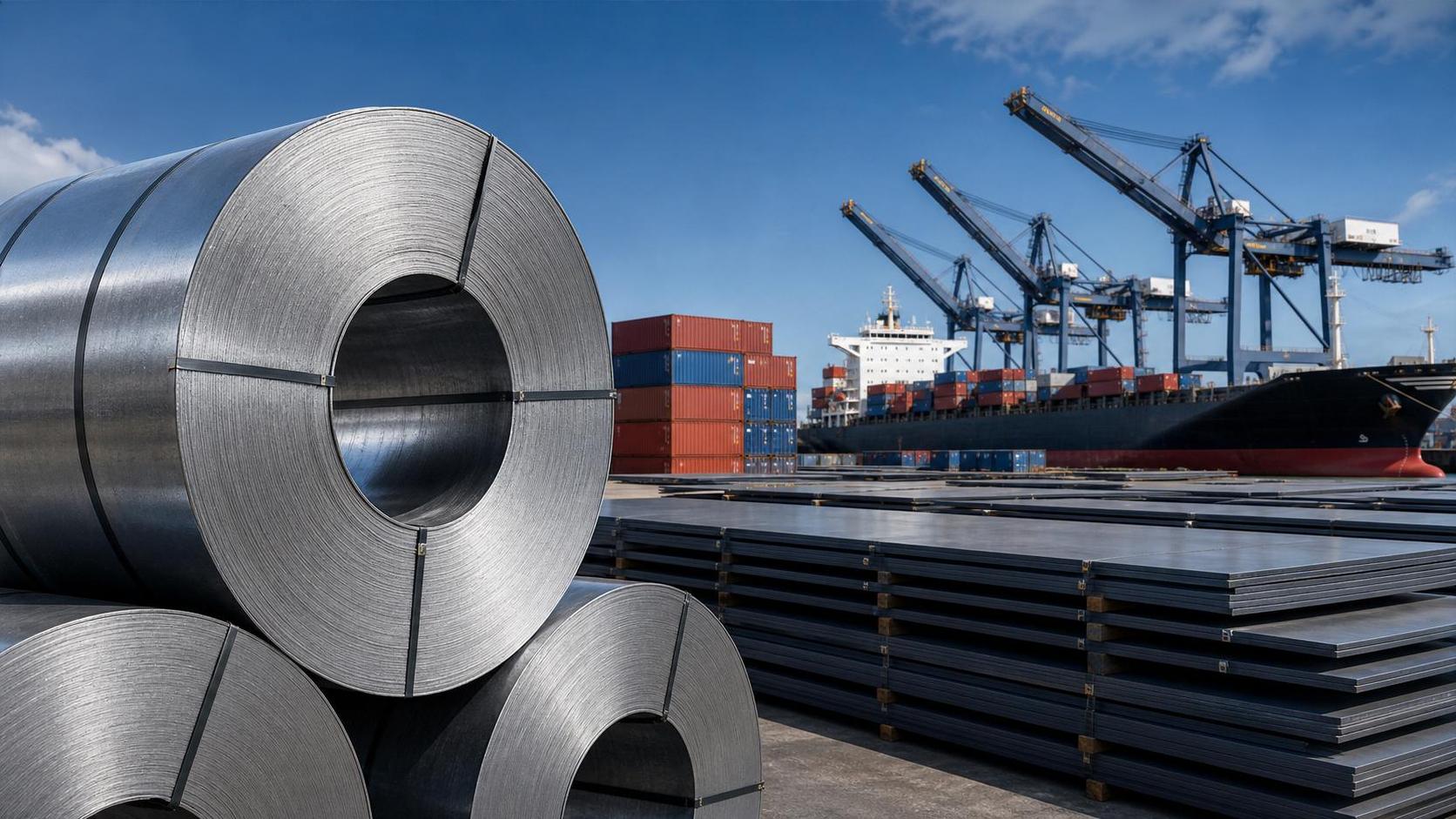
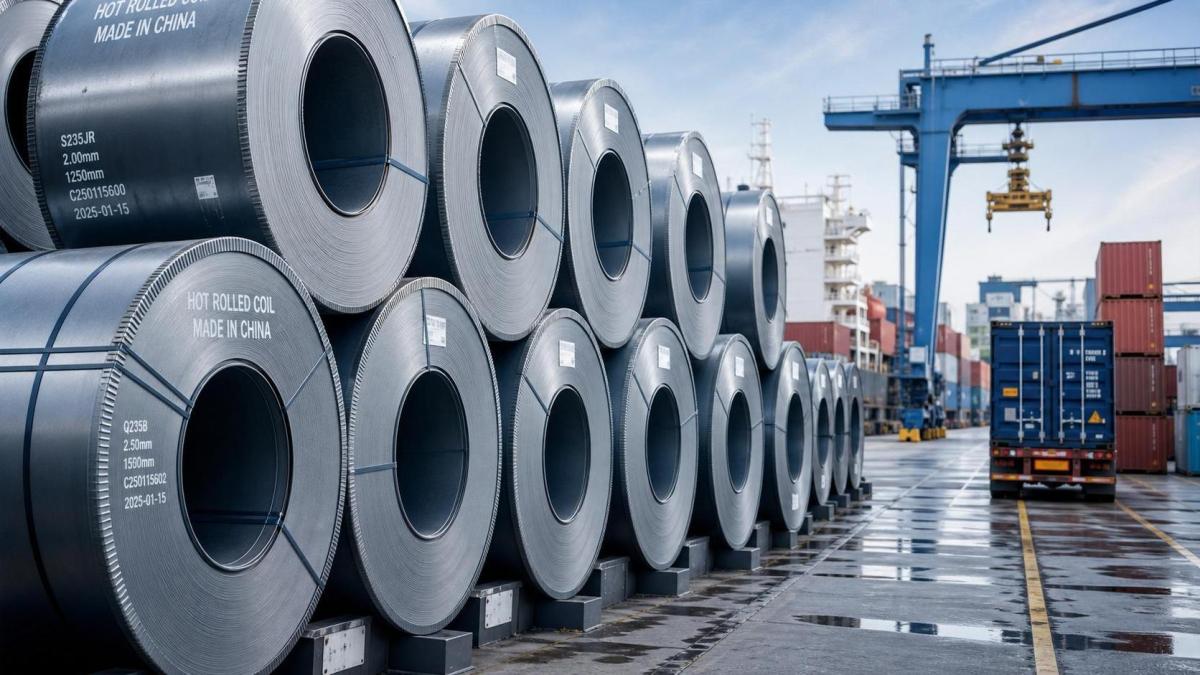
On July 1, 2026, the U.S. Department of Commerce formally opened an annual administrative review of the anti-dumping order on hot-rolled steel coil from China under HS 7225 and 7226. The review covers export transactions from April 1, 2025 to March 31, 2026, and is already relevant to Chinese exporters, U.S. importers, traders, and supply-chain service providers because it can affect final duty rates, customs cash deposit requirements, and the pricing logic used in contracts for shipments tied to the U.S. market from the third quarter of 2026 onward.
What Has Been Confirmed So Far
The confirmed development is the launch of an annual administrative review by the U.S. Department of Commerce on July 1, 2026, covering Chinese-origin hot-rolled steel coil classified under HS 7225 and HS 7226. The review period spans export transactions from April 1, 2025 through March 31, 2026.
According to the information provided, this review will directly affect the final anti-dumping duty rate applicable to relevant exporters, the customs cash deposit arrangements tied to U.S. entry procedures, and the contract pricing mechanism for exports to the U.S. beginning in the third quarter of 2026. The same information also indicates that importers need to reassess supplier-related compliance costs and delivery stability.
Where the Pressure May Appear Across the Chain
Export quoting is likely to become more sensitive
From an industry perspective, direct trading companies and exporting mills are the first group likely to feel the impact because U.S.-bound offers for the second half of 2026 may need to reflect uncertainty around the eventual duty outcome and associated cash deposit exposure. The most affected business links are quotation timing, contract clauses, and margin planning. What deserves closer attention is whether existing offers can still absorb compliance-related cost changes without creating disputes later in execution.
Import-side procurement decisions may turn more cautious
For U.S.-linked buyers and importers, the immediate issue is not only price but also supplier reliability under a review framework. Analysis shows that procurement teams may need to compare suppliers not just by base steel price, but by documentation readiness, customs-related cost visibility, and the ability to maintain delivery schedules if trade compliance procedures become more demanding. The practical impact falls on supplier screening, landed-cost assessment, and shipment planning.
Intermediaries and logistics partners face execution risk
Supply-chain service providers, including those involved in customs handling, trade documentation, and shipment coordination, may also be affected because changes in duty treatment and deposit requirements can alter the rhythm of customs clearance and contract settlement. Observably, the core concern for this group is operational coordination: whether transaction records, product classification references, and shipping documents are aligned closely enough to avoid delays or cost mismatches.
What Companies Should Watch Now
Monitor the official review process, not just the headline
Analysis shows that the launch of a review is a procedural development with direct business implications, but it is not the same as a final result. Companies involved in U.S.-related transactions should therefore track subsequent official wording and procedural updates closely, especially where those updates may affect duty calculation, timing, and practical filing obligations.
Recheck contracts tied to second-half 2026 shipments
What deserves closer attention is the contract structure for business expected to move from the third quarter of 2026. Where pricing, customs obligations, or delivery liability are linked to duty outcomes or cash deposit treatment, both sellers and buyers may need to revisit how those terms are written and communicated. The issue here is less about renegotiation in general and more about whether trade terms still match the new compliance reality.
Prepare transaction records and product documentation carefully
For exporters and service teams, one practical focus is documentation quality. Because the review covers specific export transactions within a defined period, companies should pay close attention to product classification references, shipment records, commercial documents, and any materials used to support transaction consistency. This is a practical requirement tied to review exposure, not a generic compliance suggestion.
Discuss delivery stability with customers early
Importers are specifically described as needing to reassess compliance costs and delivery stability. In practice, that means customer communication should cover not only pricing but also execution certainty. Suppliers and buyers may both need clearer expectations around shipment timing, customs handling, and the allocation of risk if trade-related costs shift during contract performance.
Why This Matters Beyond a Single Notice
Observably, this development should be understood first as a live trade-compliance event with pricing and execution consequences, rather than as a completed market outcome. The review itself does not establish a final commercial result at the moment it is opened, but it does create a framework that can influence how U.S.-bound hot-rolled coil business is quoted, evaluated, and managed in the second half of 2026.
From an industry perspective, the more important signal is that compliance variables are moving closer to the center of commercial decision-making for this product flow. That does not automatically mean a structural change in every transaction, but it does mean that duty exposure, customs deposits, and supplier execution capacity are likely to carry more weight in negotiations and sourcing choices while the process continues.
How the Market May Need to Read This Stage
It is more appropriate to understand this as a short-term operational change with broader signaling value, rather than as a fully settled long-term result. The confirmed facts already point to direct effects on export pricing, customs-related funding requirements, and importer risk assessment from the third quarter of 2026 onward. At the same time, the event remains part of an ongoing review process, which means the industry still needs to distinguish between confirmed procedure and eventual outcome.
A neutral reading is that this is an actionable development for companies with active U.S.-linked business in Chinese hot-rolled steel coil, but it is also a situation that requires continued verification before firmer market conclusions are drawn.
Basis of This Article and What Still Needs Verification
This article is based on the user-provided news title, event date, and event summary concerning the July 1, 2026 initiation by the U.S. Department of Commerce of an annual administrative review of the anti-dumping order on Chinese hot-rolled steel coil.
For developments of this kind, commonly relevant source types may include official government notices, company disclosures, industry association updates, authoritative media reporting, and trade-related regulatory documents. A specific official source link was not provided in the input, so the exact public notice location still needs to be verified on an ongoing basis.
Further attention should remain on subsequent official procedural updates, any clarification affecting duty treatment or cash deposit practice, and whether market participants adjust quoting, procurement, or delivery arrangements in response to the review timeline.
By clicking 'Allow All', you agree to the storage of cookies on your device to enhance site navigation, analyze site usage and assist with our marketing efforts.