


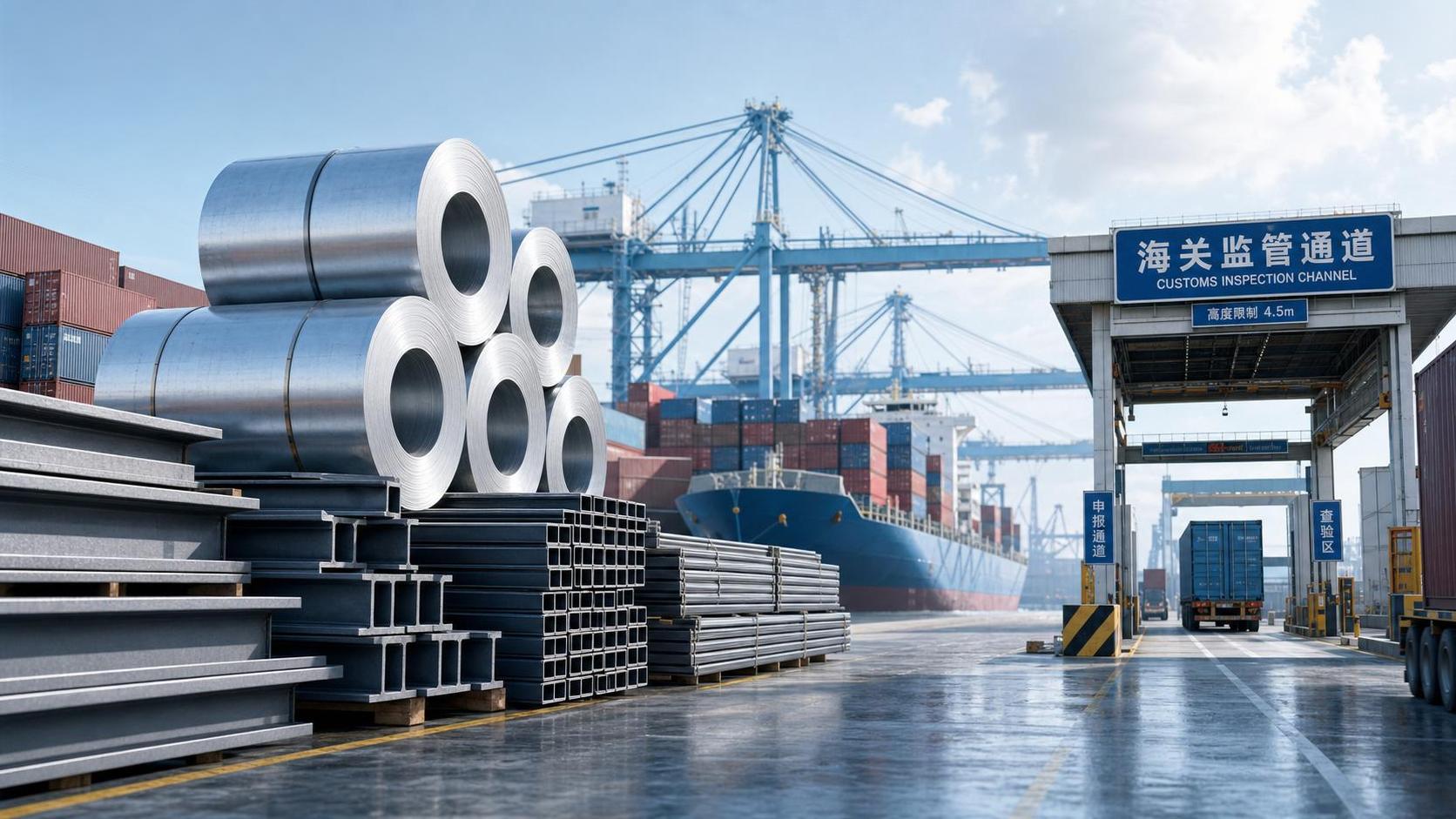
From July 1, 2026, the UK will put revised steel import control measures into effect, bringing a clear shift in trade conditions for steel entering the market. The change centers on a sharp reduction in annual duty-free quotas, higher tariff trigger thresholds, stricter origin compliance checks, and added carbon emissions data reporting requirements. For exporters, importers, procurement teams, and supply chain service providers connected to steel trade with the UK, the development deserves attention because it may affect market access costs, customs timing, document preparation, and delivery planning.
What the New UK Measures Confirm
Confirmed information shows that the UK government will formally implement a new round of steel import control measures on July 1, 2026. The stated elements include a substantial cut to annual duty-free quotas, an increase in the tariff trigger threshold, stronger scrutiny of origin compliance, and requirements to submit carbon emissions data. The policy is described as directly affecting Chinese and other global steel exporters serving the UK market, while importers are expected to assess quota allocation, the risk of longer customs clearance cycles, and compliance exposure linked to CBAM-related requirements.
Where Trade Friction May Become More Visible
Pressure on export planning and market entry
From an industry perspective, exporters shipping steel to the UK may face a more complex access path because lower duty-free quota availability can alter pricing assumptions and shipment timing. The impact is likely to be felt first in export planning, contract execution, customs documentation, and coordination with UK-side buyers on whether goods can move within available quota conditions.
Import-side exposure in customs and procurement scheduling
UK importers and procurement teams may be affected through quota management, landed cost calculations, and delivery scheduling. What deserves closer attention is that stricter origin review and carbon data filing requirements can increase the amount of supporting material needed before clearance, which may in turn put pressure on purchasing windows and inventory timing.
Additional workload for logistics and compliance support
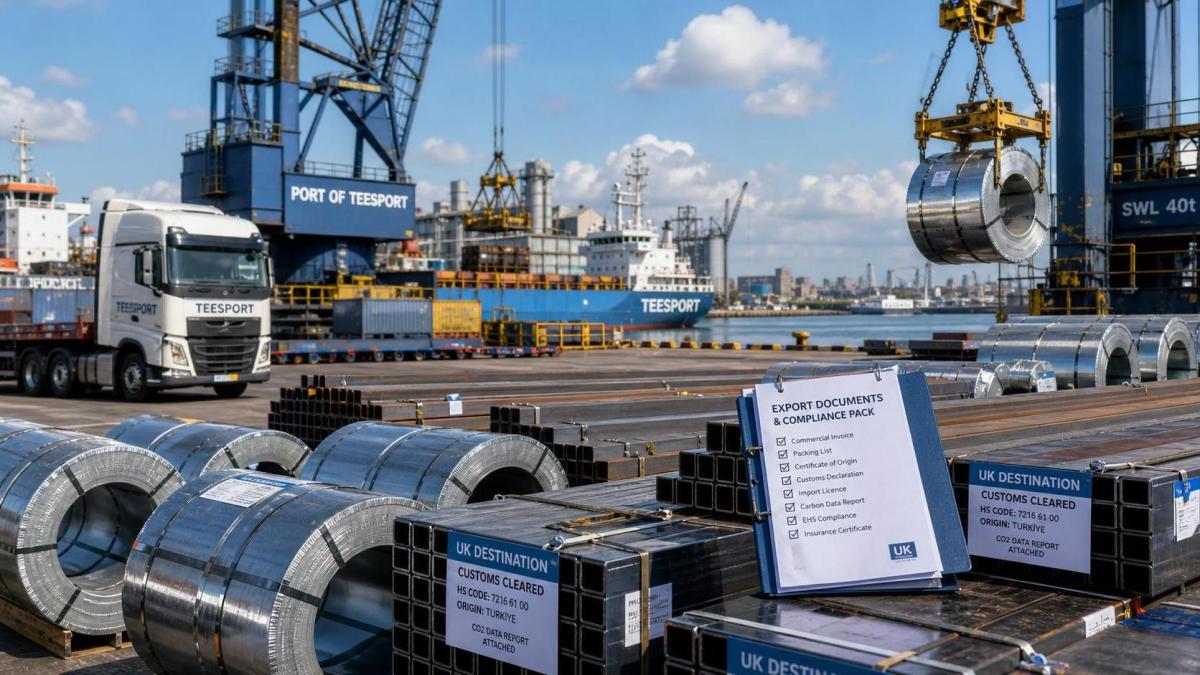
Supply chain service providers, customs coordinators, and compliance support teams may see a heavier operational burden if documentation review becomes more detailed. The main exposure is not only in filing documents, but also in aligning origin records, shipment information, and emissions-related declarations so that trade paperwork remains consistent across the transaction chain.
What Companies Should Track Now
Readiness of origin and supporting documents
Analysis shows that businesses involved in UK-bound steel shipments should pay close attention to whether origin-related records, transaction documents, and product files can support stricter review. Since the input does not provide detailed enforcement criteria, it is more appropriate to treat this as a compliance preparation issue rather than assume a fixed review outcome.
Carbon data reporting expectations
Businesses should also watch how carbon emissions data will be requested and presented in practice. Observably, the key issue is not only whether data exists, but whether exporters, importers, and service providers can keep reporting formats, source records, and shipment-level documentation aligned if customs scrutiny increases.
Delivery timing and quota allocation decisions
Importers and exporters may need to reassess shipment sequencing, procurement timing, and delivery commitments in light of reduced duty-free quotas and possible customs delays. This is especially relevant where contract execution depends on predictable clearance timing or where buyers expect firm delivery schedules.
Ongoing interpretation of related compliance risk
The event summary specifically points to CBAM-related compliance risk as an area requiring advance assessment. Because no detailed linkage mechanism is provided in the input, companies should follow subsequent official wording and practical enforcement signals rather than assume that all compliance pathways are already settled.
Why This Looks Like an Execution Signal
Analysis shows that this development is more than a routine policy headline because it combines tariff conditions, origin scrutiny, and carbon-related reporting into one practical trade access issue. It is more appropriate to understand this as a rule implementation signal with immediate operational relevance, while also recognizing that the market still needs to observe how detailed enforcement language, review standards, and transaction-level expectations are applied in practice.
How the Market May Need to Read This Change
At this stage, the announcement is best understood as a confirmed policy shift that can influence access cost, compliance workload, and delivery rhythm in steel trade with the UK. A neutral reading is that the measure does not yet answer every execution question, but it does give companies a clear reason to review quota exposure, customs readiness, and emissions-data preparation before the new rules take effect.
Basis of This Article
This article is generated from the user-provided news title, event date, and event summary. For developments of this kind, commonly relevant source types may include official announcements, releases from regulatory authorities, customs or trade administration information, industry association updates, standard-setting documents, and reporting by authoritative media. No specific official source link was provided in the input, so the exact official reference still requires further verification. It remains necessary to monitor later details such as implementation guidance, compliance interpretation, tender document changes, market feedback, and how affected companies carry out the new requirements in practice.
By clicking 'Allow All', you agree to the storage of cookies on your device to enhance site navigation, analyze site usage and assist with our marketing efforts.