


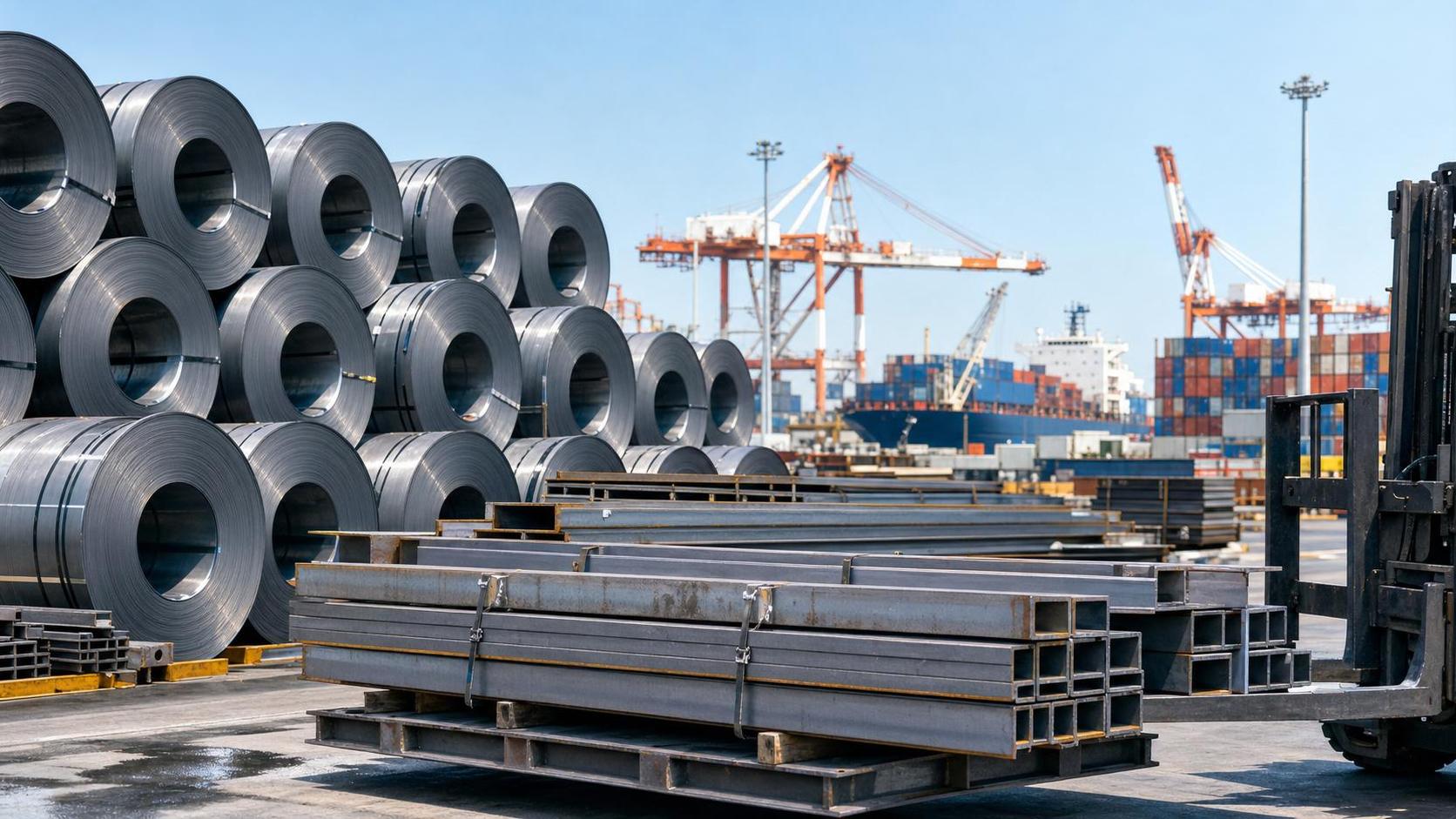
On June 1, 2026, Japan opened a one-year anti-dumping investigation into hot-rolled steel products from mainland China, Taiwan, and South Korea. For importers and distributors buying hot-rolled coil in Japan for automotive, construction, and home appliance manufacturing, this is a development that deserves close attention because it introduces direct uncertainty around future duties, sourcing costs, and supplier compliance reviews.
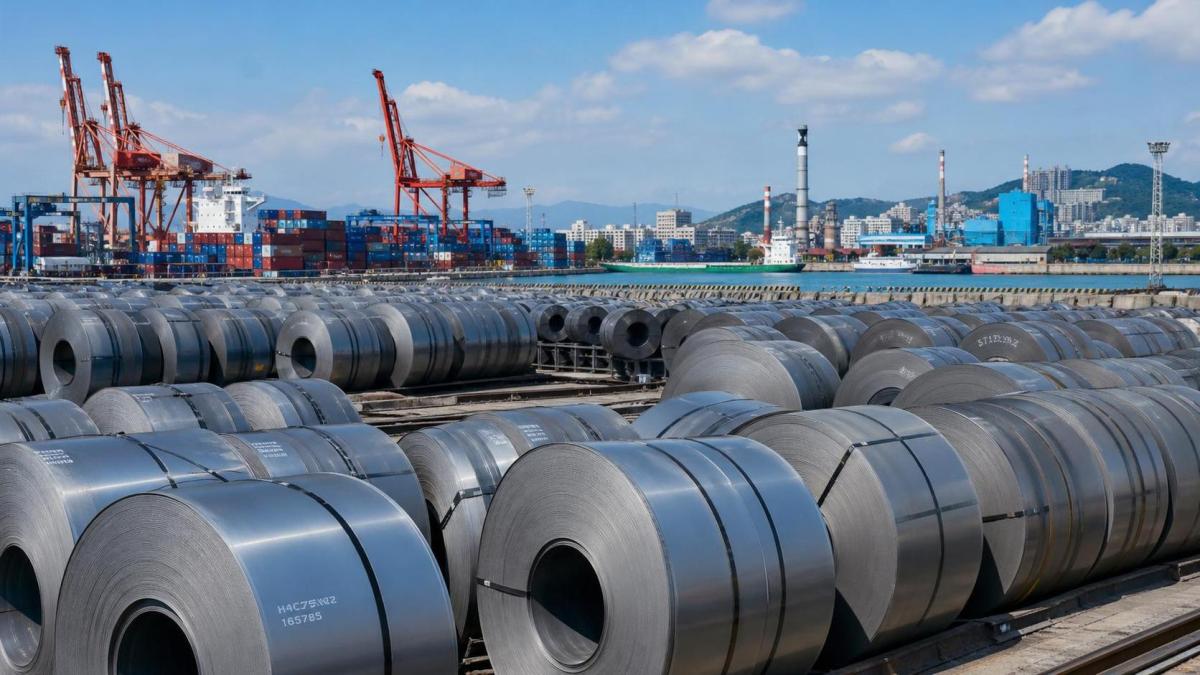
What the investigation covers
According to the information provided, the case was filed jointly by four major Japanese steelmakers, including Nippon Steel and JFE. The investigation formally began on June 1, 2026, and is set to run for one year.
The scope of the review covers export data from April 2025 to March 2026. If the investigation results in an affirmative finding, high additional tariffs may be imposed on the products under review.
Where pressure may emerge across the supply chain
Import trade activity faces immediate compliance pressure
From an industry perspective, importers handling hot-rolled steel into Japan may be the first group to feel the operational impact. The reason is straightforward: the investigation directly affects products already tied to cross-border purchasing decisions, and businesses in this position may need to examine supplier documentation, product coverage, and transaction exposure more closely.
Manufacturers using hot-rolled coil may need cost reassessment
Companies buying hot-rolled coil for automotive, construction, and home appliance production may be affected through procurement budgets and material planning. Analysis shows that even before any final decision is reached, the existence of the investigation can push buyers to recheck cost structures and review whether current sourcing arrangements remain workable under different tariff outcomes.
Distributors may need to revisit supply continuity
For distributors serving the Japanese market, the issue is not only price. Observably, supply continuity and product substitution become practical concerns when a trade case creates uncertainty around future landed cost and supplier risk. What deserves closer attention is whether existing supply channels can still support delivery expectations if trade conditions change.
What companies should review now
Track official wording and case developments
Companies exposed to the affected product flows should closely follow how the investigation is described in official statements and any later procedural updates. Analysis shows that the practical business impact often depends on the exact product scope and procedural direction, not only on the headline that an investigation has started.
Recheck supplier compliance and supporting documents
Given the focus on export activity during the April 2025 to March 2026 period, importers and sourcing teams may need to revisit supplier qualifications, transaction records, and related shipping or commercial documents. This is especially relevant for businesses that need to understand whether current suppliers create elevated trade remedy exposure.
Model cost scenarios and alternative sourcing options
What deserves closer attention is the gap between a policy process and an actual landed-cost outcome. Businesses may need to compare current procurement costs with possible duty-added scenarios and, in parallel, assess backup supply options in case the final ruling materially changes import economics.
Prepare customer and delivery communication plans
For companies that supply downstream manufacturers or channel customers in Japan, early communication planning matters. Observably, questions about pricing, lead times, and contract execution can emerge before any final tariff decision, so internal coordination between procurement, sales, and logistics teams may become necessary.
Why this should be read as a signal, not a final outcome
This development should not be treated as a confirmed tariff result. Analysis shows that the current fact is the launch of a one-year anti-dumping investigation, not the completion of the case. It is more appropriate to understand this as a live trade policy signal with potential commercial consequences, especially for companies whose Japanese business depends on hot-rolled steel imports from the named origins.
At the same time, the investigation is not a routine detail for affected market participants. From an industry perspective, it creates a review point for procurement strategy, supplier risk, and cost exposure, even before any final determination is made.
How the market may need to frame it for now
At this stage, the most balanced reading is that Japan's move introduces a period of heightened uncertainty for hot-rolled steel trade connected to mainland China, Taiwan, and South Korea. The immediate significance lies less in a concluded penalty and more in the need for importers, distributors, and downstream users to reassess compliance, cost assumptions, and sourcing flexibility while the investigation proceeds.
Basis of this article
This article is based on the user-provided news title, event date, and event summary. The specific official source link was not provided in the input, so the details should continue to be verified against relevant source types typically associated with this kind of development, such as official announcements, company statements, industry association information, authoritative media coverage, and related trade or standards documentation.
Further attention should remain on any official procedural updates, changes in product scope description, and later findings that may clarify whether the investigation leads to additional tariffs and how broadly the commercial impact may extend.
By clicking 'Allow All', you agree to the storage of cookies on your device to enhance site navigation, analyze site usage and assist with our marketing efforts.