



On March 17, 2026, Colombia introduced a one-year trade measure that adds a 35% import duty to 14 tariff lines covering steel products such as rebar, sections, and pipe, but only for countries that do not have a free trade agreement with Colombia. For exporters, buyers, distributors, and supply chain service providers, this is not just a price story: it changes market access conditions, reshapes quotation logic, and may affect procurement timing and delivery planning in steel-related transactions tied to the Colombian market.
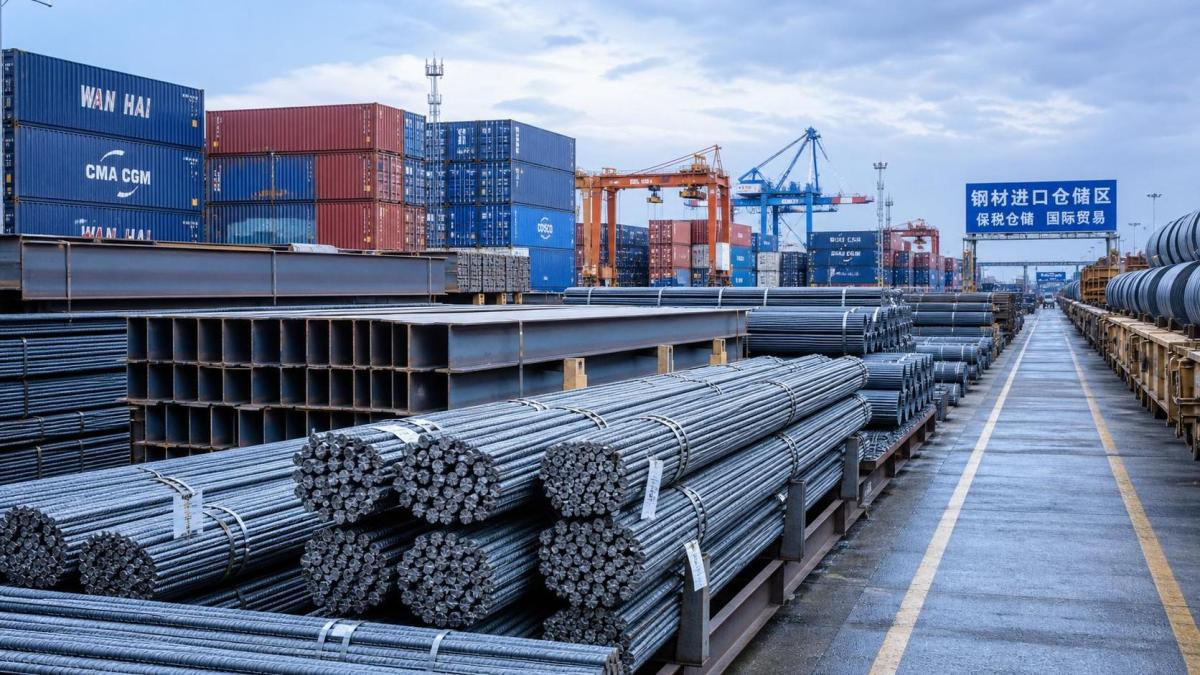
A targeted tariff change with immediate trade relevance
The confirmed event is that Colombia’s Ministry of Trade, Industry and Tourism issued a decree on March 17, 2026 imposing an additional 35% import tariff on 14 tariff lines of steel products. The products mentioned in the provided information include rebar, sections, and pipe. The measure applies only to countries that have not signed a free trade agreement with Colombia, and the implementation period is one year.
The provided summary also states that the move is aimed at addressing the impact of low-priced imports. It further indicates that the measure will significantly raise export costs to Colombia for major supplying countries such as China, India, and Turkey, with likely implications for overseas supplier access, pricing strategy, and order delivery pace.
Where the pressure is likely to surface first
Export offers may need immediate recalculation
From an industry perspective, exporters selling covered steel products into Colombia from non-FTA countries are likely to face the most direct pressure at the quotation stage. The tariff change can alter landed-cost assumptions, which means existing offer structures, validity periods, and negotiation margins may no longer hold in the same way as before. What deserves closer attention is whether commercial teams, trade compliance staff, and local counterparties are working from the same tariff understanding when offers are issued or revised.
Procurement decisions may shift from price to admissibility
For procurement teams sourcing steel for Colombian projects or distribution, the issue is not only higher cost. Analysis shows that supplier eligibility and sourcing geography may become more important in purchase decisions where covered tariff lines are involved. Buyers may need to review whether the country of supply affects import treatment, whether tender assumptions remain workable, and whether delivery plans tied to prior pricing still reflect the new trade condition.
Distributors and intermediaries may need tighter document checks
Channel operators, importers, and supply chain service providers may feel the change in contract execution and customs-facing documentation. Observably, when a tariff measure applies selectively by trade relationship, product classification, origin-related records, and supporting transaction documents become more sensitive operational points. Even where the basic business model does not change, the tolerance for documentation gaps may narrow.
What companies should review now
Recheck product coverage and trade exposure
Companies should first identify whether their shipments fall within the 14 covered tariff lines referenced in the event summary. Analysis shows that this is the threshold issue for exporters, traders, and buyers because commercial impact starts with whether a product is actually within scope and whether the supplying country is outside Colombia’s FTA framework.
Align quotations, contracts, and tender files
What deserves closer attention is the consistency between pricing documents and downstream execution materials. If offers, bid files, purchase orders, or delivery commitments were prepared under earlier duty assumptions, businesses may need to reassess whether quoted prices, delivery responsibilities, and acceptance conditions still match the new tariff environment. The provided information does not include detailed execution rules, so this should be treated as a practical review point rather than a confirmed outcome.
Watch for official wording and operating interpretation
Because the input does not provide detailed enforcement language beyond the decree, companies should continue to monitor how the measure is described and applied in operational practice. This includes the treatment of covered steel categories, the practical interpretation of eligibility linked to free trade agreement status, and any changes that may appear in procurement documents, import processing, or commercial screening workflows.
Prepare for delivery and supplier qualification adjustments
Analysis shows that order timing and supplier approval may become more closely linked. Where Colombian buyers or project-related purchasers rely on imported steel from non-FTA origins, businesses may need to revalidate supplier positioning, shipment planning, and delivery expectations. This is especially relevant where cost increases could affect order confirmation, sourcing continuity, or the pace of award decisions.
Why this looks like an execution signal, not just a headline
Observably, this development is better understood as a concrete market-access change rather than a broad policy discussion. The measure has a defined scope, a defined tariff increase, a defined set of product tariff lines, and a stated one-year duration. At the same time, it is also more appropriate to understand this as a rule change that still requires close observation in practice, because the supplied information does not include detailed operational guidance on implementation, documentation, or dispute points.
From an industry perspective, the key value of this update is that it signals where commercial risk may emerge first: supplier screening, price validity, tender assumptions, and delivery coordination. The immediate relevance lies less in abstract policy interpretation and more in how companies adjust active transactions involving the Colombian steel market.
How the market should read this development
This event is best read as an already landed trade rule change with direct implications for steel procurement and export activity tied to Colombia, especially for suppliers from countries without an FTA with the market. It does not by itself confirm long-term structural change, but it does create a near-term compliance and commercial checkpoint for affected transactions.
A rational takeaway is that companies should not treat the measure as a routine news item. It is more appropriate to understand it as a practical signal to review covered products, supplier eligibility, pricing logic, and order execution assumptions while continuing to watch for how the rule is interpreted and reflected in real market operations.
Basis of this article and what still needs verification
This article is generated from the user-provided news title, event date, and event summary. For developments of this type, commonly relevant source categories include official government notices, releases from trade or customs authorities, industry association updates, standards or regulatory documents where applicable, and reporting by authoritative business or trade media.
No specific official source link was provided in the input, so the exact official publication path still needs to be verified on an ongoing basis. What also warrants continued follow-up includes any detailed implementation language, operating interpretations, tender-document adjustments, market feedback, and how affected companies apply the measure in procurement, compliance, and delivery practice.
By clicking 'Allow All', you agree to the storage of cookies on your device to enhance site navigation, analyze site usage and assist with our marketing efforts.