


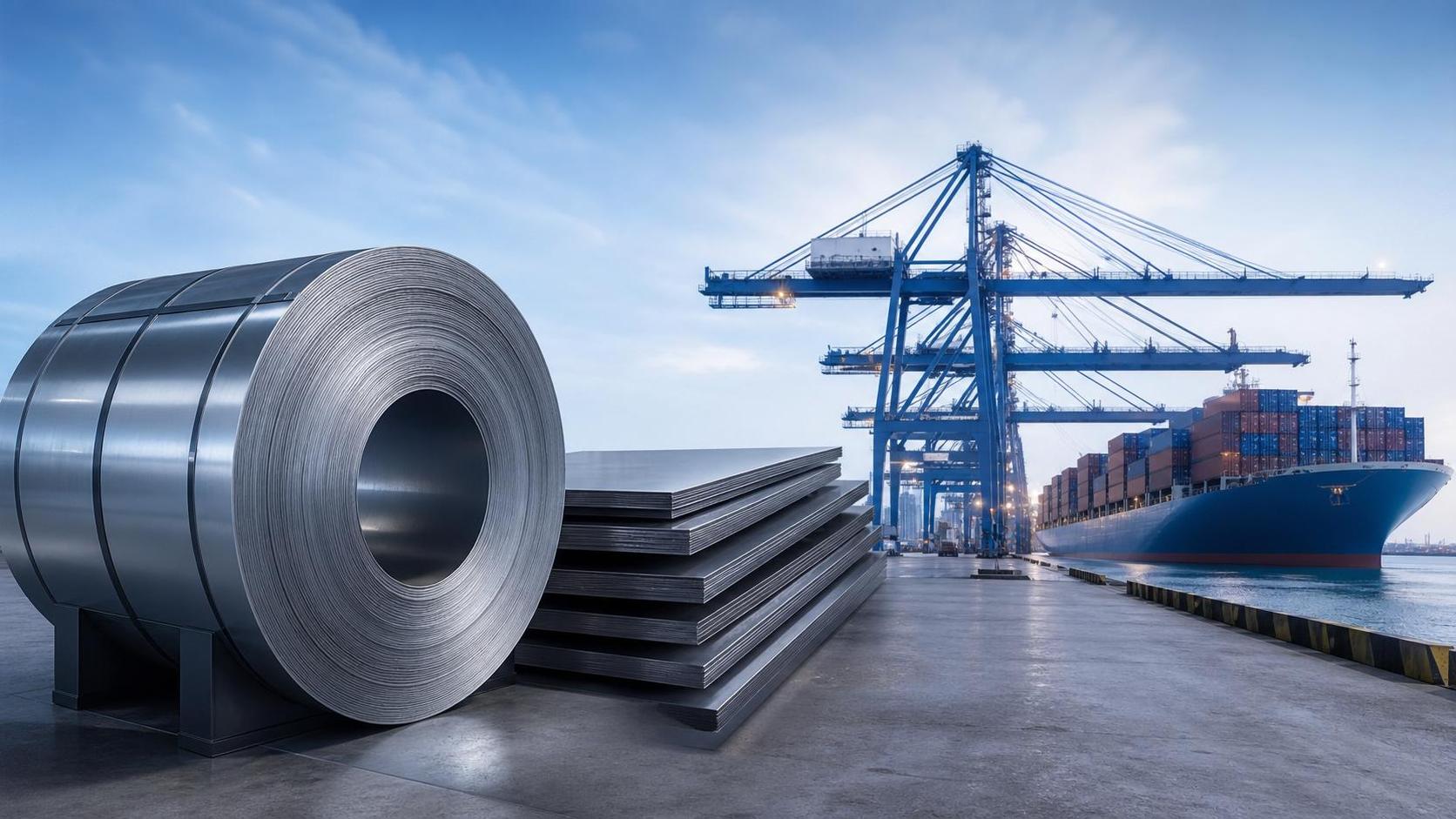
On June 1, 2026, Japan opened an anti-dumping investigation into hot-rolled steel products from mainland China, Taiwan, and South Korea, following a joint application by four major Japanese steelmakers including Nippon Steel and JFE. For buyers and suppliers tied to Japan-linked supply chains, especially in automotive and construction markets across Southeast Asia and the Middle East, the development matters because it may reshape compliance routes, landed costs, and supplier selection for second-half procurement.
What Has Been Confirmed So Far
The investigation was formally launched by the Japanese government on June 1, 2026, and is set to run for one year. The products involved are hot-rolled steel from mainland China, Taiwan, and South Korea. The case was jointly filed by four Japanese steel producers, including Nippon Steel and JFE. If Japan ultimately determines that dumping has occurred, high additional tariffs may be imposed.
Where the Pressure May Appear First
Import decisions tied to Japan-linked supply chains
From an industry perspective, trading companies and procurement teams that rely on Japan-related supply networks may face the earliest adjustment pressure. The reason is straightforward: once a formal investigation begins, import compliance and price assumptions for hot-rolled steel can no longer be treated as stable through the rest of the year.
Automotive and construction buyers in external markets
Observably, automotive and construction customers in Southeast Asia and the Middle East are among the business groups most directly exposed in the current information set. Their concern is not only whether tariffs are eventually imposed, but also how sourcing plans, supplier qualification, and replacement options are assessed while the case is under review.
Supply chain and documentation service providers
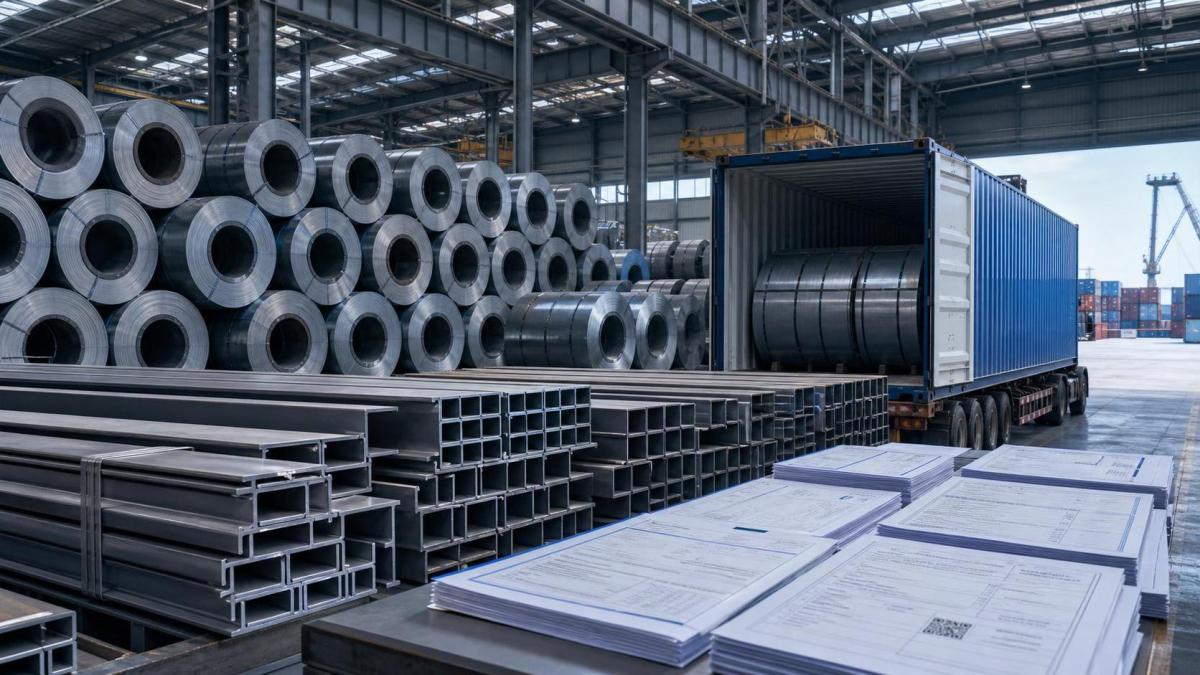
Service providers involved in trade documentation, origin review, and cross-border delivery may also see closer scrutiny from clients. What deserves closer attention is the completeness of origin-related paperwork and whether supplier files can support customer compliance checks during the investigation period.
What Companies Should Watch in the Coming Months
Separate confirmed facts from future tariff outcomes
Analysis shows that the investigation itself is a confirmed development, while tariff application remains conditional on the final determination. Companies should avoid treating a possible duty outcome as an established fact, but they also should not assume that current purchasing conditions will remain unchanged.
Recheck supplier qualifications and origin files
Based on the event summary, overseas buyers are already being pushed to reassess Chinese suppliers' certification status and the completeness of origin documents. In practical terms, this makes supplier onboarding files, shipment documentation, and contract support materials more important in procurement reviews.
Review second-half sourcing flexibility
For purchasing teams, the immediate issue is not abstract policy interpretation but execution risk in the second half of the year. Companies with exposure to hot-rolled steel should compare existing supply arrangements with alternative sourcing paths and identify where cost, compliance, or delivery assumptions could change if the case progresses.
Keep customer communication aligned with the investigation stage
For exporters, traders, and account teams, client communication should stay precise. It is more appropriate to explain that Japan has started a one-year investigation and that the final tariff outcome is still pending, rather than presenting the matter as a concluded trade restriction.
Why This Looks Like a Procurement Signal, Not a Final Result
As an editorial observation, this development is better understood as an active policy and trade signal than as a completed market outcome. The confirmed fact is the opening of the investigation; the broader commercial effect comes from how buyers react before any final ruling. That is why the case already matters for compliance review, supplier screening, and sourcing diversification, even though the tariff decision has not yet been made.
How the Market May Need to Read This Stage
A balanced reading is that this is a near-term decision trigger for procurement and risk review, while also serving as a longer-term signal that trade remedy exposure remains relevant in steel sourcing. At this stage, it is more appropriate to understand the news as a development that requires continued monitoring rather than as a settled shift in regional trade flows.
Basis for This Article and What Still Needs Verification
This article is based on the user-provided news title, event date, and event summary. For this type of development, commonly relevant source categories include official government notices, company statements, industry association releases, authoritative media coverage, and trade or standards-related documents. A specific official source link was not provided in the input, so further verification is still needed as the investigation proceeds. Continued attention should focus on any official statements, procedural updates, and any later determination on whether tariffs will be imposed.
By clicking 'Allow All', you agree to the storage of cookies on your device to enhance site navigation, analyze site usage and assist with our marketing efforts.