



On June 27, 2026, the U.S. Department of Commerce announced the start of an annual antidumping duty review covering hot-rolled steel sections from China, including products under HS 7216.50 and 7216.61. The case matters because the updated cash deposit rates expected from July 2026 will affect customs clearance costs, payment timing, and inventory planning for importers and other companies handling H-beams, angles, channels, and related structural sections. For the market, this is not only a trade remedy update, but also a practical signal for procurement, delivery scheduling, and compliance review over the next customs cycle.
What has been formally announced
The confirmed development is that the U.S. Department of Commerce issued a notice on June 27, 2026 to initiate the annual review of the antidumping duty order on Chinese hot-rolled steel sections. The products mentioned include hot-rolled sections classified under HS 7216.50 and 7216.61, among others.
According to the provided information, updated import cash deposit rates are expected by July 15, 2026. The review outcome will serve as the basis for U.S. customs duty collection for the following 12 months.
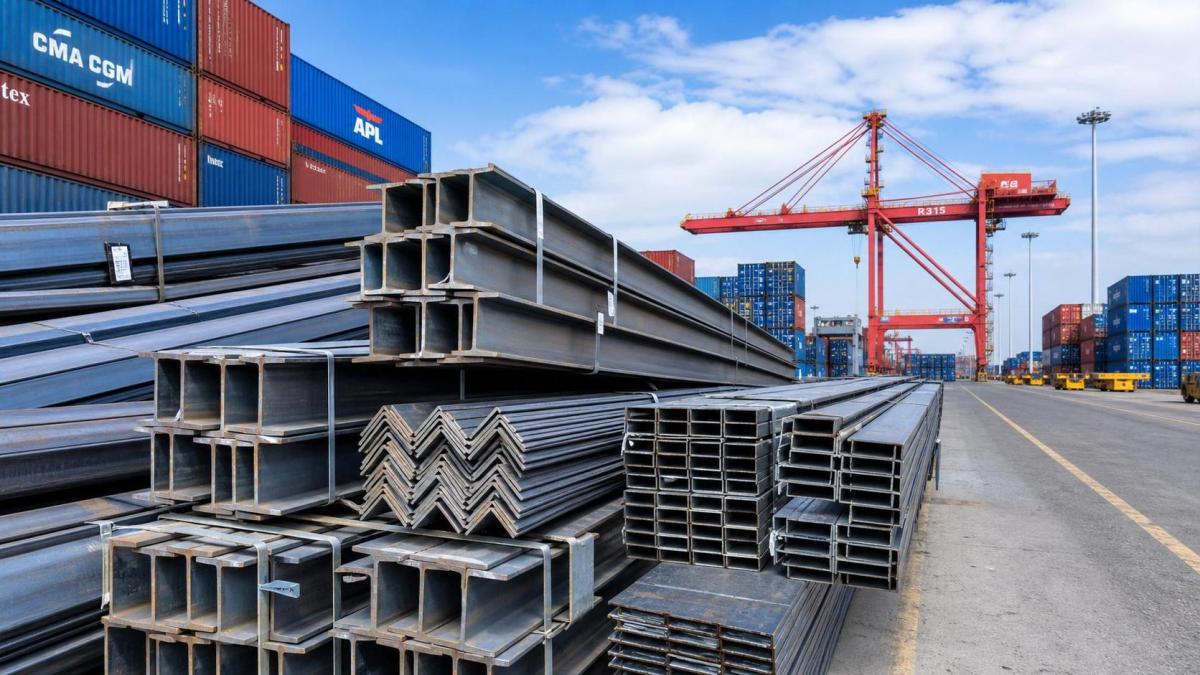
The event directly concerns mainstream exported sections such as H-beams, angles, and channels. The summary also makes clear that the immediate areas affected are customs clearance cost, payment cycle, and inventory strategy for U.S. importers.
Where the operational pressure is likely to appear
Import-side trade execution will face a direct cost reset
From an industry perspective, U.S. importers are the first group likely to feel the impact because any adjustment in cash deposit rates feeds directly into import clearance and short-term capital use. The practical issue is not only tariff treatment itself, but also how purchasing batches, landed cost calculations, and shipment timing are managed once the updated rate is applied.
What deserves closer attention is whether existing purchase arrangements, customs filing preparation, and payment schedules remain workable under the revised deposit requirement. Companies operating regular structural steel imports may need to recheck transaction timing and document consistency around the affected product lines.
Export-facing suppliers will need closer product and document alignment
For exporters and manufacturers supplying the U.S. market, the review creates a more sensitive compliance environment around product scope and trade documentation. This is especially relevant for shipments involving H-beams, angles, channels, and similar sections that may fall within the reviewed categories.
Analysis shows that the main exposure point is not a new technical standard, but the alignment between product classification, shipment documents, and customer-side import treatment. Where product specifications and HS-based declarations are involved, suppliers should pay closer attention to whether commercial documents, technical descriptions, and transaction records are presented consistently.
Procurement and inventory teams may need to adjust timing assumptions
For downstream buyers, distributors, and supply chain service providers, the review matters because it may alter the cost and timing assumptions behind replenishment. If importers face higher or revised deposit requirements, the effect can move into stock planning, delivery windows, and order pacing.
Observably, this does not automatically mean disruption, but it does increase the need to monitor shipment schedules, warehouse turnover, and order sequencing for products sourced through the U.S. import channel. Teams involved in contract execution and delivery coordination should watch for changes in customs-related lead times and financing pressure.
What companies should monitor in the coming weeks
Track the official wording around the updated deposit rate
Analysis shows that the most immediate focus should be the expected update to import cash deposit rates by mid-July 2026. Since the provided information does not include the final rate outcome, companies should treat this stage as a live rule-development process rather than a settled cost position.
Recheck affected product scope and filing materials
Companies dealing in hot-rolled structural sections should review whether the products they buy, sell, process, or ship fall within the referenced HS coverage. In practical terms, this means paying attention to product descriptions, customs-related paperwork, and supporting technical materials used in transactions and declarations.
Prepare for changes in payment rhythm and delivery planning
Because the review directly touches customs clearance cost and payment cycle, businesses should examine whether current procurement schedules, shipment release expectations, and inventory assumptions still hold if deposit requirements change. This is particularly relevant for transactions that are time-sensitive or dependent on regular U.S. entry planning.
Watch how customers and channels react in execution
It is more appropriate to understand this stage as one that may influence customer purchasing behavior and channel decisions before any broader market conclusion can be drawn. Exporters, traders, and service providers should therefore monitor whether buyers request revised quotations, updated delivery timing, or additional document support tied to the review.
Why this should be read as an execution signal
Observably, this development is best read as an active trade rule signal with near-term operational consequences rather than as a completed market outcome. The formal review has begun, and the expected adjustment to cash deposit rates gives companies a specific timing marker for customs and procurement decisions.
From an industry perspective, the importance of the event lies in its execution effect: it sets the framework for how duties may be collected over the next 12 months, while leaving room for continued attention to official wording, implementation practice, and market response. That is why companies should separate confirmed facts from forward assumptions at this stage.
How the market may need to frame the development
The industry significance of this notice is that it connects a formal antidumping review with immediate business decisions in import clearance, purchasing, and inventory management. It should not be overstated as a final market verdict, but it also should not be treated as routine paperwork with no operational effect.
Current conditions make it more appropriate to understand the announcement as a rule-driven change entering execution, with the clearest near-term focus on updated import cash deposit rates and their effect on transaction planning. Further interpretation will depend on the final official update and on how market participants adapt in practice.
Basis of this article and what still needs verification
This article is generated based on the user-provided news title, event date, and event summary. The analysis is limited to the confirmed information provided in the input and does not rely on unverified external details.
For events of this kind, commonly relevant source types include official notices, releases from regulatory or trade authorities, customs or commerce department information, industry association updates, standard-setting documents, and reporting from authoritative media. A specific official source link was not provided in the input, so the underlying notice and later implementation details still require continued verification.
What still needs to be monitored includes the final official language on the updated cash deposit rate, any execution guidance affecting customs practice, possible changes in bid or procurement documents, market feedback from importers and exporters, and how companies adjust delivery and inventory arrangements after the rate update takes effect.
By clicking 'Allow All', you agree to the storage of cookies on your device to enhance site navigation, analyze site usage and assist with our marketing efforts.