


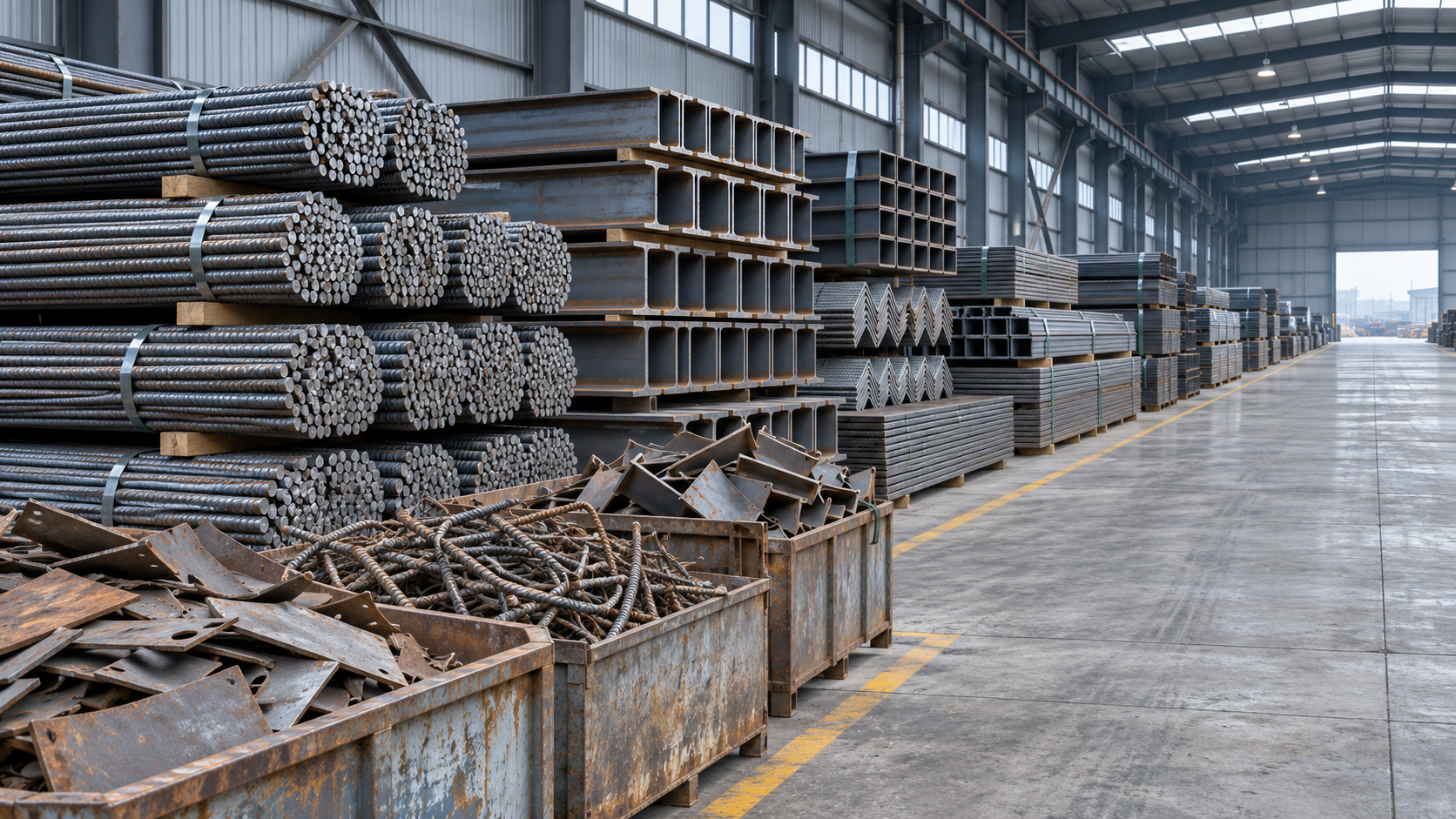
Domestic steel and scrap prices in India broadly fell during the trading day, according to an SMM news report dated November 15, 2026. The simultaneous declines point to short-term weakness in the market and raise the possibility of pressure from insufficient demand, excess supply, or both.
The movement across both finished steel and scrap is relevant to participants on either side of the production chain. Steel buyers may encounter lower prices for their purchases, while mills and scrap suppliers must consider how changes in the prices of their respective products and inputs affect transactions. The direction of prices alone, however, does not establish how much either market has fallen or whether the declines will continue.
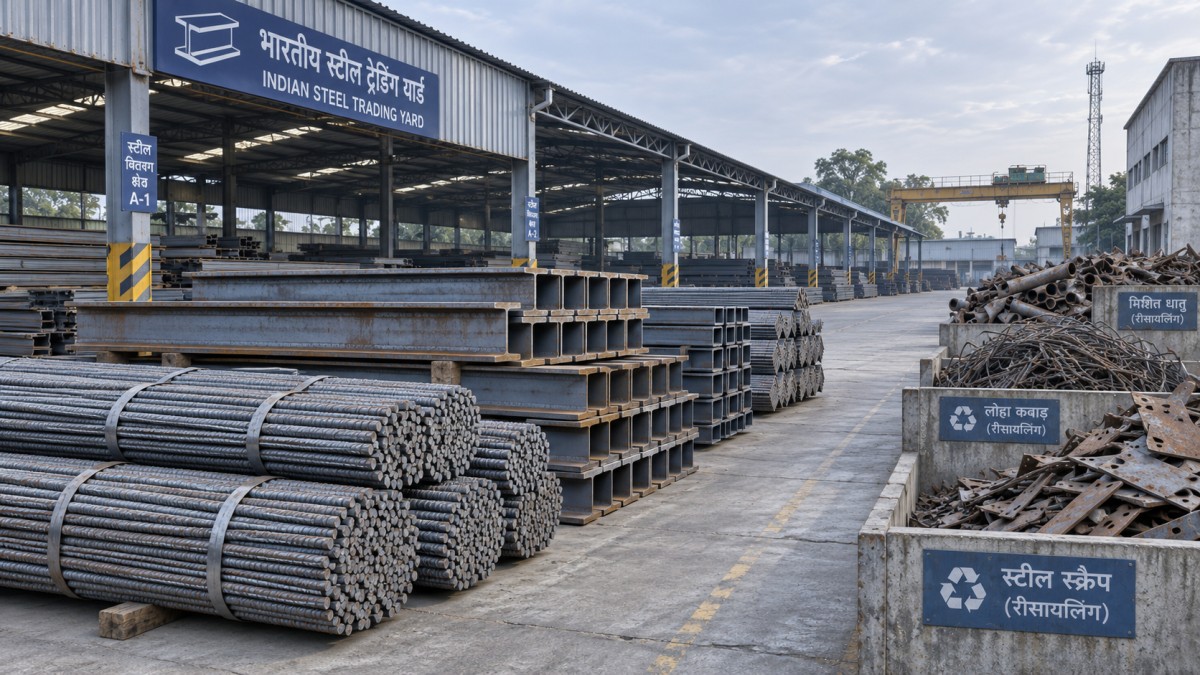
What the price movement suggests
A decline in steel prices can indicate that sellers are accepting lower prices in the face of weaker buying interest or abundant supply. A fall in scrap prices can reflect similar pressure in the raw-material market. Seeing both move lower is consistent with a softer trading environment, but it does not by itself identify the cause of the weakness.
The relationship between the two prices also matters. For a steel producer that uses scrap, lower scrap costs could provide some relief as steel prices fall. Whether that relief is enough to offset a decline in selling prices depends on the relative size and timing of the changes, as well as the terms of individual purchases and sales. A fall in both prices should therefore not be treated as proof that producers' margins have either improved or deteriorated.
For scrap suppliers, lower prices affect the value they can seek for material sold into the market. For steel buyers, the immediate question is whether lower quoted prices translate into better purchasing terms for the products and quantities they need. Those outcomes depend on individual transactions and cannot be inferred from the reported market direction alone.
What to watch next
The most useful next signal is whether prices continue to decline or stabilize in subsequent trading. A single day's movement describes current direction, but it does not establish a lasting trend. Further changes in steel and scrap prices would also help show whether pressure is being shared across the production chain or whether one side is moving more sharply than the other.
Demand and supply conditions remain central to interpreting the decline. If buying interest weakens further or available supply remains high relative to purchases, price pressure could persist. If those conditions change, the market's direction could also change. The reported decline is a sign of short-term weakness, while its causes and duration remain open to further developments.
By clicking 'Allow All', you agree to the storage of cookies on your device to enhance site navigation, analyze site usage and assist with our marketing efforts.