


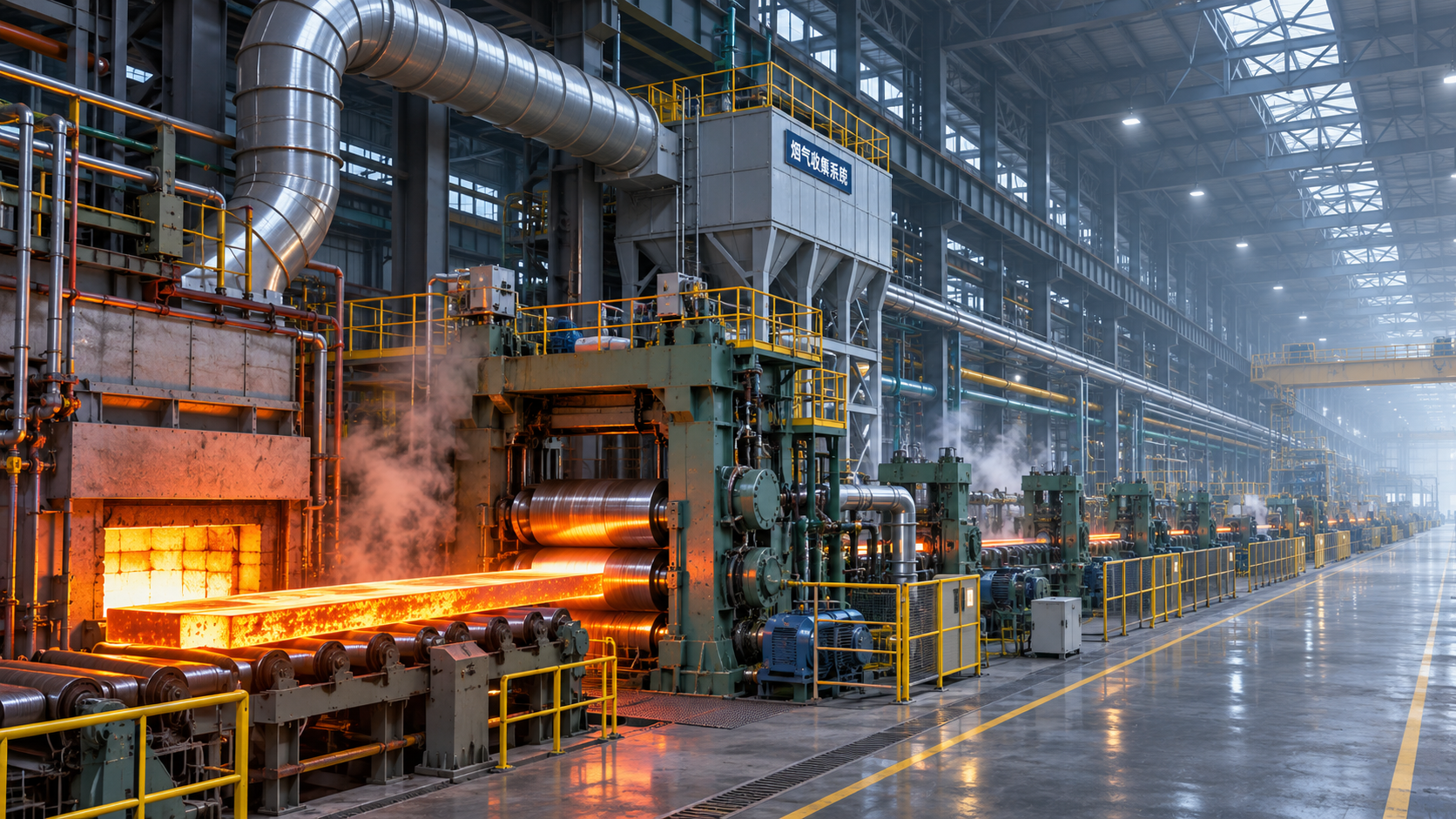
China’s steel industry launched an energy and carbon efficiency initiative in Jinan on November 13, 2026, marking a shift in emphasis from maximizing energy efficiency alone to improving both energy and carbon efficiency.
The initiative is one of the China Iron and Steel Association’s key modernization programs for the 15th Five-Year Plan period. Its stated aim is to support greener, lower-carbon, high-quality development across the industry.
For steel producers, the distinction between the two objectives matters. Energy efficiency concerns the energy used in production, while carbon efficiency brings emissions into the assessment. Looking at both together could change how proposed improvements are evaluated: a measure’s value would depend not only on its energy performance, but also on its effect on carbon emissions.
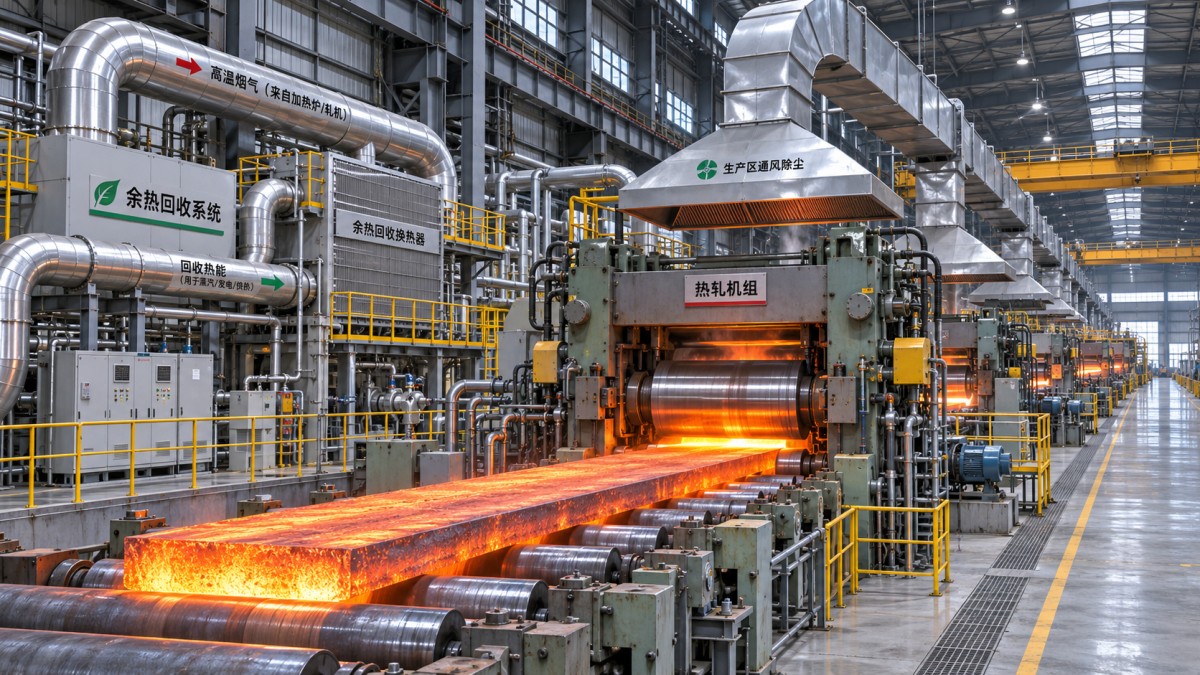
From a single objective to a joint assessment
The launch signals an intention to connect two related performance goals. An energy-saving measure may also reduce emissions, but its carbon effect depends on factors such as the energy involved and how a change is implemented. Treating the goals jointly therefore calls for attention to the relationship between energy use and emissions, rather than assuming that the two will always improve to the same degree.
That distinction could be relevant when producers compare modernization options. Decisions may turn on how improvements are measured, which parts of production are included and how the results are assessed. The initiative’s launch establishes the direction of travel; its practical effect will depend on the approach taken to those questions.
The stated shift also has implications for performance reporting. If energy and carbon outcomes are considered together, consistent ways of measuring them could help producers assess whether an individual change advances both objectives. The launch itself does not establish what indicators or assessment methods will be used.
What to watch as the initiative develops
The immediate development is the formal start of the program, not a quantified change in steel production or emissions. Future association information could clarify the scope of the modernization work, the measures it covers and how progress will be evaluated.
For businesses involved in steel production and related upgrades, those details would help show where the initiative may have its most direct effects. The pace and scale of any operational changes will depend on how the program is put into practice and on the decisions made by participating producers.
By clicking 'Allow All', you agree to the storage of cookies on your device to enhance site navigation, analyze site usage and assist with our marketing efforts.