



On July 11, 2026, the U.S. Department of Commerce announced the start of an annual antidumping review covering hot-dipped galvanized steel sheet (HDG) from China, while adding three recently active exporters to the mandatory respondent list for the first time, including two OEM profile-processing exporters. For importers, distributors, and supply chain teams serving the North American market, the development is worth close attention because it can affect customs-related cost exposure, supplier eligibility, and the compliance footing of longer-term purchasing arrangements.
What the announcement confirms
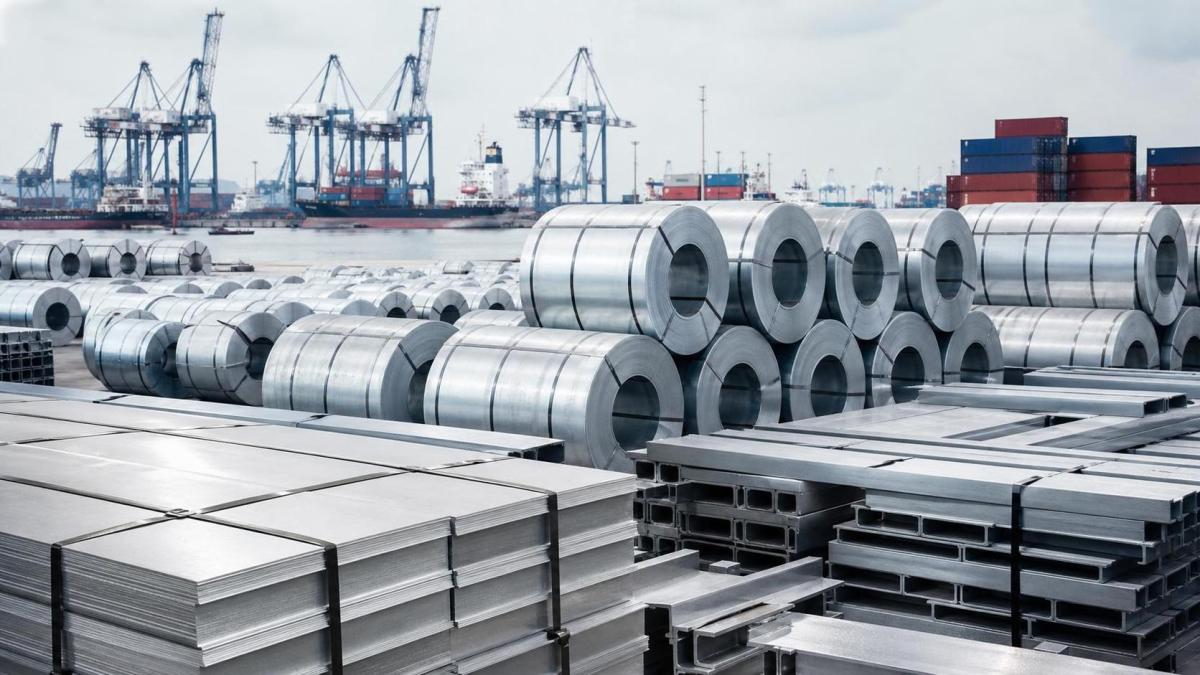
According to the information provided, the review concerns the existing antidumping duty order on Chinese-origin HDG. The U.S. Department of Commerce formally initiated the annual review on July 11, 2026. The same announcement also brought three newly added exporting companies into the scope of mandatory response requirements, and two of those companies are identified as OEM profile-processing exporters. The information provided further indicates that the move has direct relevance to customs clearance costs for overseas importers, supplier qualification decisions, and compliance checks tied to long-term procurement agreements, particularly for North American channel partners reassessing Chinese counterparties and updating supply chain filing records.
Where the pressure is likely to appear first
Importer cost control and customs planning
From an industry perspective, overseas importers are one of the first groups likely to feel the practical effect of the review. The reason is not that outcomes have already changed, but that a formal review and expanded mandatory respondent scope can alter how importers assess landed-cost risk, customs documentation readiness, and exposure under existing transactions. What deserves closer attention is whether internal clearance planning, broker communication, and supplier-related files are aligned with the latest review status.
Supplier access for North American channels
Channel distributors and trading companies serving North America may also need to revisit supplier admission standards. The information provided specifically points to renewed qualification checks on Chinese partners. Analysis shows that this is less about headline policy discussion and more about whether a supplier remains acceptable under internal compliance rules, customer onboarding requirements, and procurement approval workflows.
Contract execution for long-term buyers
For buyers operating under medium- or long-term procurement agreements, the issue is likely to surface in contract performance rather than in abstract trade policy terms. Observably, when review activity expands to additional exporters, purchasing teams may need to examine whether current supplier designations, trade terms, and compliance clauses still match the actual risk environment described by the new review stage.
Processing and OEM-linked export arrangements
The inclusion of two OEM profile-processing exporters is also notable for companies using processed or contract-manufactured export models. From an industry perspective, this suggests that participants relying on processing-based export structures may need to pay closer attention to how their role is presented in trade and compliance records, especially when overseas customers or channel partners are updating supply chain registrations.
What companies should watch now
Track official wording, not assumptions
Analysis shows that companies should separate the confirmed fact of review initiation from any assumption about final commercial outcomes. The immediate task is to follow official wording closely, especially where it relates to scope, respondent status, and procedural requirements, rather than treating the announcement itself as a completed market result.
Recheck supplier qualification files
For suppliers and overseas buyers, a practical priority is document readiness. What deserves closer attention is whether supplier profiles, exporter identity records, customer filing materials, and transaction-related documentation remain consistent across procurement, compliance, and logistics teams. This matters because the information provided directly links the development to supplier eligibility reviews and supply chain filing updates.
Review contract and delivery coordination
Companies with active North American business should also examine whether existing delivery schedules, customer communication routines, and contract compliance processes can absorb additional review-related scrutiny. This is particularly relevant where long-term agreements depend on stable supplier status or where customers expect updated declarations and supporting files before shipment or clearance stages.
Prepare for partner questions early
Observably, the immediate business effect may come through partner inquiries rather than through any single headline change. Importers, distributors, and service providers may ask for confirmation on exporter status, transaction consistency, or record updates. Firms that prepare clear internal answers and supporting materials early will be better positioned to manage routine commercial discussions without unnecessary disruption.
How this development is best understood
Analysis shows that this announcement is best read as a live procedural and compliance signal rather than as a final market verdict. The addition of three exporters, including two OEM profile-processing exporters, indicates that trade review attention is extending to newer export participants within this product area. At the same time, the information provided does not establish a final outcome, a new duty result, or a completed shift in market access conditions. That is why continued observation remains necessary.
The practical takeaway for the market
At this stage, it is more appropriate to understand the development as an actionable compliance and supplier-management event with direct operational implications for HDG trade involving China and North America. Its importance lies in the need for revalidation: rechecking exporter status, reassessing supplier eligibility, and updating procurement and filing workflows where required. The industry significance is real, but the current signal is procedural and risk-oriented rather than conclusive.
Basis of this article and follow-up points
This article is based on the user-provided news title, event date, and event summary. For developments of this kind, commonly relevant source types may include official government notices, company disclosures, industry association updates, authoritative media reporting, and standards-related documents. No specific official source link was provided in the input, so the exact official reference still requires ongoing verification. Follow-up attention should remain on any subsequent official wording, changes in procedural scope, and practical updates affecting supplier qualification, customs-related compliance, and supply chain record maintenance.
By clicking 'Allow All', you agree to the storage of cookies on your device to enhance site navigation, analyze site usage and assist with our marketing efforts.