



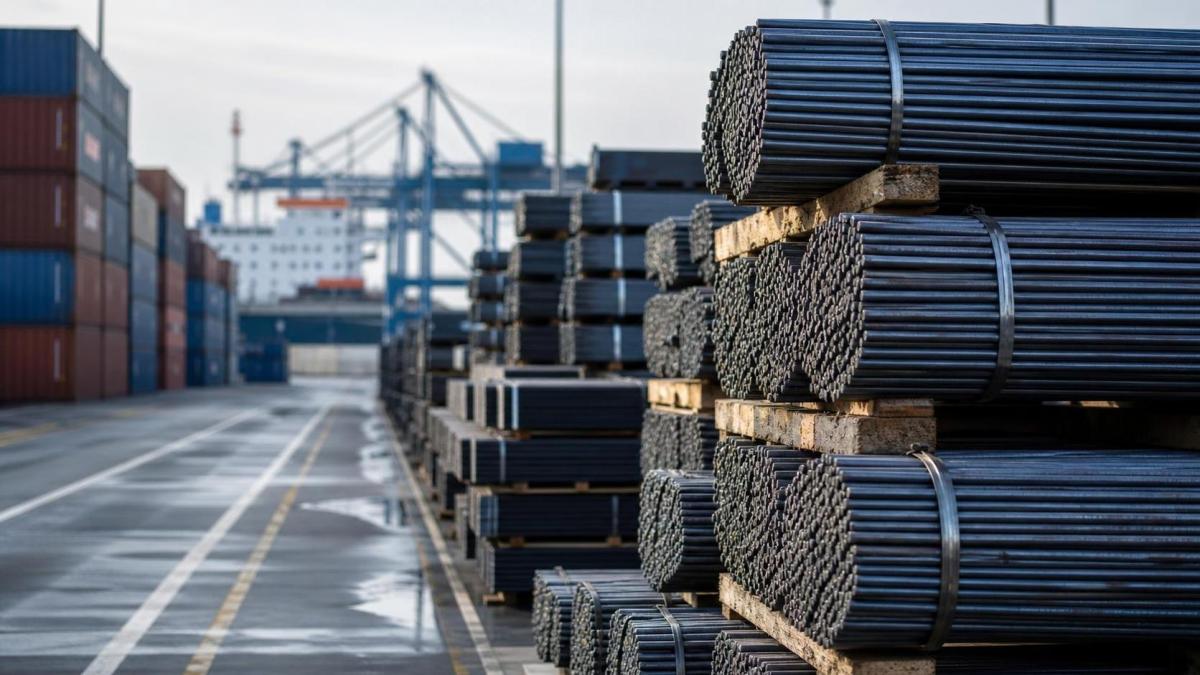
On August 10, 2026, the U.S. Department of Commerce announced a new review process covering hot-rolled steel bars from China, including HS 7214.91 and related classifications. The move puts continued anti-dumping duties of up to 123.5% back under formal examination, making it a closely watched development for U.S. importers, sourcing teams, customs-related operations, and companies making medium- to long-term supply decisions tied to this product flow.
What the U.S. Department of Commerce Confirmed
According to the information provided, the U.S. Department of Commerce formally initiated the fifth sunset review of the anti-dumping duty order on hot-rolled steel bars exported from China on August 10, 2026. At the same time, it also opened a concurrent anti-dumping review investigation.
The review will examine whether the current anti-dumping duties, which can reach as high as 123.5%, should remain in place. Based on the provided summary, the result is expected before February 2027.
The confirmed scope of immediate business relevance is clear: the outcome may directly affect U.S. import clearance costs, purchasing decisions, and longer-term supply chain planning.
Where the pressure points may emerge across the chain
Import-side cost planning comes under closer scrutiny
From an industry perspective, U.S. importers are among the first parties likely to feel the practical impact of this review. The reason is straightforward: when duties remain under review at a level that can reach 123.5%, landed-cost assumptions and customs-related budgeting become harder to treat as stable. What deserves closer attention is whether current procurement timing, contract structures, and inventory decisions are being made with enough flexibility before the expected result is published.
Procurement teams face a timing and sourcing question
For companies purchasing hot-rolled steel bars or products linked to that input, the issue is not only price but planning certainty. Analysis shows that a review of this kind can matter even before the final result is announced, because sourcing teams may need to reassess supplier choices, order timing, and exposure to a product category under active trade remedy review. The main business impact is therefore concentrated in purchasing decisions and medium-term sourcing arrangements.
Supply chain service providers may need tighter document and process control
Customs brokers, trade compliance teams, and other supply chain service providers may also need to pay closer attention. Observably, when an anti-dumping review is active, the practical pressure often centers on classification awareness, documentation readiness, and communication with importer clients on cost exposure and clearance handling. In this case, the review matters because it may affect how market participants prepare for shipments tied to the covered product scope.
Downstream users are affected through supply continuity assumptions
For downstream manufacturers, distributors, or end-use buyers that rely on this category of steel bar, the immediate issue is less about a confirmed outcome and more about supply continuity assumptions. From an industry perspective, these companies may need to watch whether procurement channels, lead-time expectations, or supplier commitments change during the review window leading up to the expected result before February 2027.
What companies should track from here
Follow the official review timeline closely
Analysis shows that the timing of official notices now matters as much as the headline itself. Companies exposed to the product category should watch for subsequent Commerce Department wording, procedural updates, and any clarification affecting the review path through the expected decision window before February 2027.
Check product scope and transaction exposure
Businesses should review whether their traded or purchased items fall within the hot-rolled steel bar categories described in the provided information, including HS 7214.91 and related lines. The practical focus is not broad policy discussion but whether specific transactions, orders, or quotations are exposed to the duty framework under review.
Separate policy signaling from immediate operating impact
What deserves closer attention is the difference between a review being opened and a final outcome being determined. Companies should avoid treating the August 10, 2026 announcement itself as a final tariff change. At the same time, they should not ignore the operational implications for pricing, quotation validity, and customer communication during the review period.
Prepare internal coordination on delivery and customer communication
For trade-facing teams, practical preparation may include checking contract assumptions, shipment schedules, customs documents, and communication lines with customers or suppliers. Observably, the key issue is not simply whether duties remain in place, but whether companies can respond quickly if the review outcome changes cost expectations or sourcing plans.
How this development is best understood at this stage
This section is analysis rather than confirmed fact. It is more appropriate to understand this announcement as an active trade-policy signal with direct commercial relevance, rather than as a completed outcome. The review itself does not settle the final status of the anti-dumping duty order, but it does reopen an important decision point for companies whose procurement or import models touch the covered steel products.
Analysis shows that the industry should continue watching this case because the expected result before February 2027 may shape not only short-term import cost expectations but also longer-horizon supply chain positioning. For now, the development sits between immediate operational concern and unresolved policy outcome, which is why continued monitoring matters.
Why the market should keep this on the watchlist
The significance of this update lies in its combination of timing, duty exposure, and supply chain relevance. A formal review of anti-dumping duties that can reach 123.5% is not just a procedural matter for legal teams; it has potential consequences for customs cost planning, sourcing choices, and business coordination across import-related roles.
At this stage, the most balanced reading is that the market is dealing with a live review process rather than a settled result. It is more appropriate to view this as a development that warrants continued observation, especially for businesses with direct exposure to U.S. imports of hot-rolled steel bars from China.
Basis of this article and what still needs verification
This article is based on the user-provided news title, event date, and event summary concerning the U.S. Department of Commerce review of anti-dumping measures on hot-rolled steel bars from China. The specific official source link was not provided in the input, so the exact text of the underlying announcement still requires ongoing verification.
For this type of development, source categories commonly relevant to further verification include official government notices, company disclosures, industry association updates, authoritative media reporting, and trade or standards-related documentation where applicable. The main follow-up point to monitor is the review process itself and any later official statement issued before the expected result timeframe of February 2027.
By clicking 'Allow All', you agree to the storage of cookies on your device to enhance site navigation, analyze site usage and assist with our marketing efforts.