


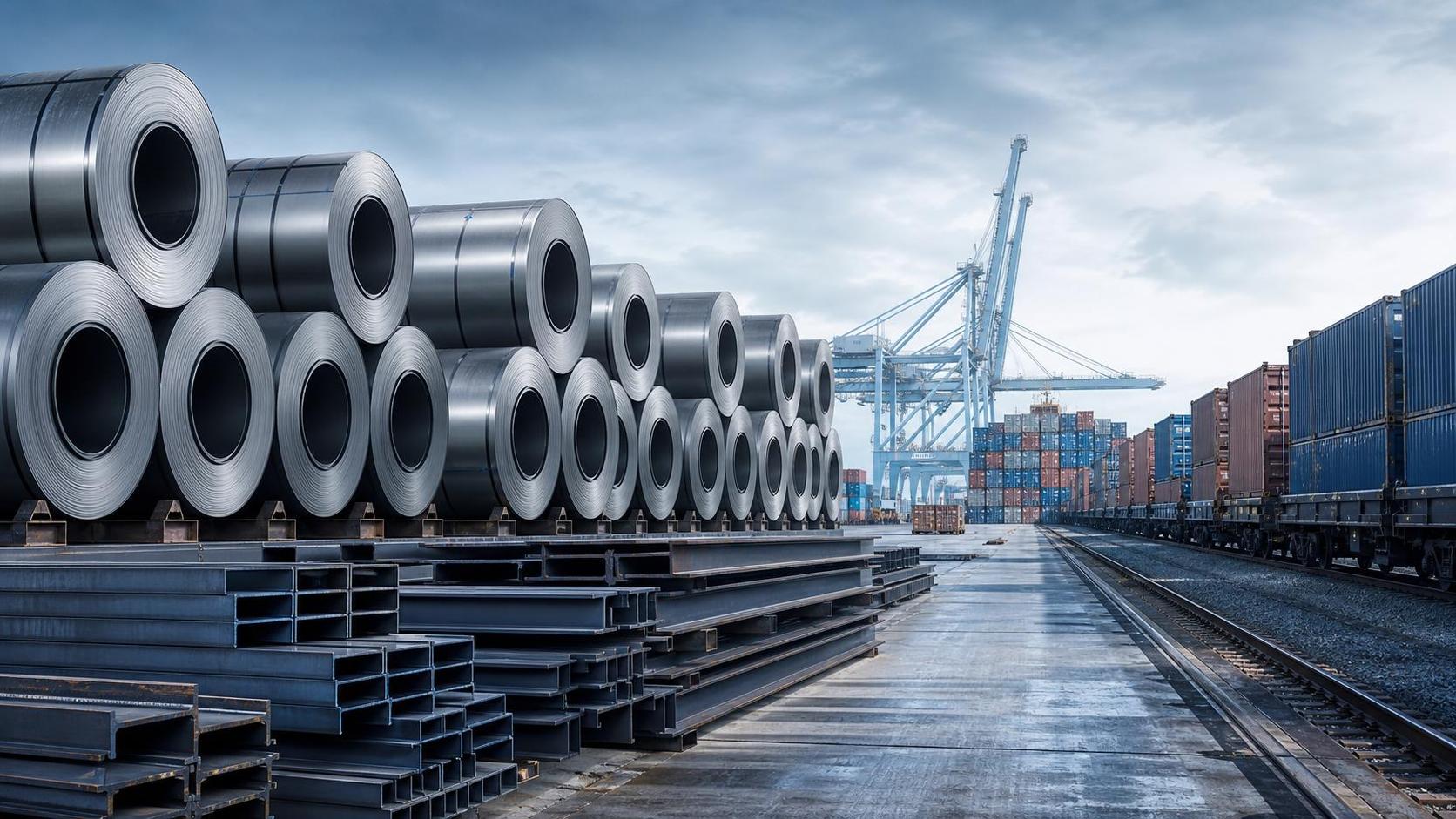
On July 29, 2026, the U.S. Department of Commerce opened an anti-circumvention investigation into whether hot-rolled steel coil from China was being routed through third countries such as Vietnam, Malaysia, and Mexico after processing or simple modification to avoid anti-dumping and countervailing duties. For exporters of sections and downstream steel products, importers, and supply chain operators, the development deserves attention because it brings immediate compliance pressure to transshipment routes, customs clearance exposure, origin traceability, and delivery planning.
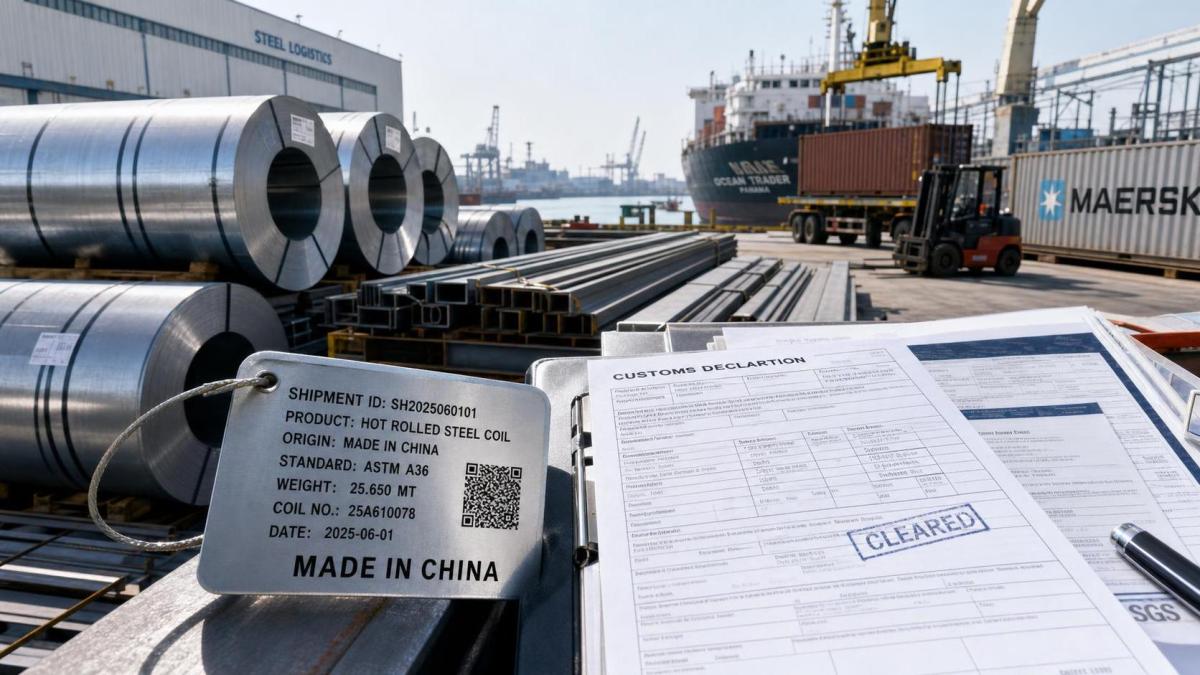
What the filing formally covers
The confirmed facts are limited but commercially significant. The investigation was formally initiated on July 29, 2026 by the U.S. Department of Commerce. It concerns Chinese-origin hot-rolled steel coil and examines whether processing or simple alteration in third countries, including Vietnam, Malaysia, and Mexico, may have been used to circumvent existing anti-dumping or countervailing duties. The event summary also indicates a direct effect on the compliance of transshipment routes used by exporters of sections and downstream steel products, as well as on customs clearance risk and delivery cycles. Importers are described as needing to reassess current supply chains and prepare origin traceability documentation.
Where operational pressure is likely to appear first
Export routes that rely on third-country processing
From an industry perspective, the most immediate exposure is for exporters whose shipment structures depend on processing or simple modification outside China before entry into the U.S. market. The key issue is not only the physical flow of goods, but whether the route can withstand scrutiny on origin, production steps, and the commercial basis for the declared supply chain. What deserves closer attention is whether existing documentation is sufficient to explain the role of each country involved in the transaction.
Import-side review of customs and origin records
Importers are likely to feel the impact through customs clearance preparation and document readiness. The event summary already points to the need for origin traceability files, which means sourcing records, supplier declarations, production flow descriptions, and transaction documents may become more important in daily operations. Analysis shows that import-side teams will need to assess whether current files can support the declared origin and processing narrative if questions arise.
Downstream steel product suppliers and delivery commitments
Suppliers of sections and downstream steel products may face pressure beyond the original coil itself because route compliance questions can affect order release, shipping schedules, and customer delivery expectations. Observably, where supply arrangements depend on third-country conversion or relabeling steps, the commercial risk can extend into lead-time management and contract execution. The practical concern is not only tariff exposure, but also whether goods move through customs without additional delay.
Service providers supporting cross-border execution
Supply chain service providers involved in logistics, customs handling, and trade document coordination may also need to adjust workflows. Their role becomes more sensitive where cargo descriptions, origin records, and route explanations must remain internally consistent across multiple documents. From an industry perspective, this raises the importance of document discipline and coordination across exporters, processors, freight operators, and import-side compliance teams.
What companies should check now
Reassess origin traceability before shipment pressure builds
Analysis shows that companies should first review whether existing origin records can support the current supply path. This is especially relevant where goods pass through Vietnam, Malaysia, Mexico, or other third-country stages before U.S. entry. The current issue is not a confirmed final outcome, but the opening of an investigation is already a signal that traceability files may receive closer attention.
Review whether processing descriptions are precise and consistent
Businesses should compare commercial invoices, packing records, sourcing files, production descriptions, and customs-facing declarations for consistency. What deserves closer attention is whether any reference to processing, conversion, or simple modification could create ambiguity when explaining the route taken by the product. Where descriptions differ across documents, clearance risk and follow-up questions may increase.
Factor possible disruption into procurement and delivery planning
Observably, importers and exporters should not treat delivery timing as purely a logistics issue in this context. If a route becomes subject to greater scrutiny, procurement timing, buffer stock decisions, and customer delivery commitments may need adjustment. This should be understood as a planning and compliance issue rather than only a transportation issue.
Monitor official language and transaction-specific requirements
The input does not provide detailed enforcement language, documentary thresholds, or final treatment standards. For that reason, companies should pay attention to future official wording, practical customs expectations, and any changes in transaction-level documentation requirements. It is more appropriate to understand the current stage as one that requires monitoring and internal preparation, rather than assuming that all affected trade patterns have already reached a final determination.
Why this reads as an enforcement signal
Analysis shows that this development is best read as more than a routine trade headline. The opening of an anti-circumvention investigation signals a closer look at whether third-country processing routes can still support duty treatment where the underlying material is Chinese hot-rolled steel coil. At the same time, it would be premature to describe this as a completed rule outcome, because the confirmed information currently establishes the investigation itself and the areas of likely exposure, not a final enforcement result. The practical takeaway is that the market now has a clearer compliance warning, while many execution details still require observation.
How the market should frame this stage
A balanced reading is that the event already matters operationally, even though the full downstream consequences are not yet defined in the provided information. For companies tied to hot-rolled coil, sections, and downstream steel product exports involving third-country processing, this is better understood as an active compliance and supply chain review point. It does not yet justify broad conclusions about final market outcomes, but it does justify immediate attention to origin files, route design, customs preparation, and delivery risk.
Basis of this article and what still needs verification
This article is based on the user-provided news title, event date, and event summary. For events of this kind, relevant source categories typically include official announcements, releases from regulatory authorities, customs or trade administration information, industry association updates, standard-setting documents, and reporting by authoritative media. A specific official source link was not provided in the input, so the precise official reference still needs to be verified on an ongoing basis. Observably, the next points worth tracking are any further policy detail, enforcement wording, origin documentation expectations, changes in tender or procurement documents, market feedback, and how companies adjust execution in practice.
By clicking 'Allow All', you agree to the storage of cookies on your device to enhance site navigation, analyze site usage and assist with our marketing efforts.