


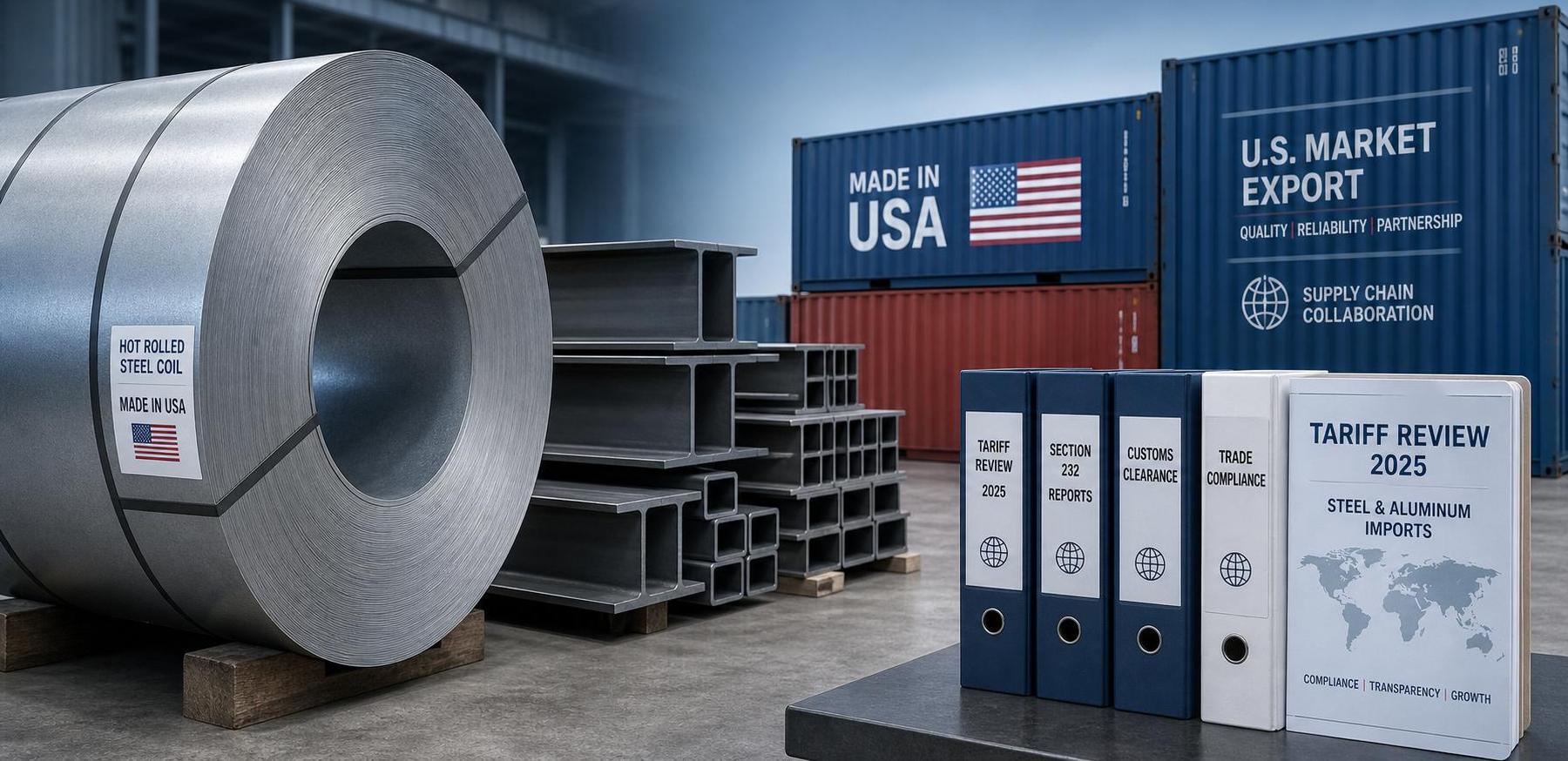
On July 5, 2026, the U.S. Department of Commerce announced the start of the first expedited sunset review of the anti-dumping duty order on hot-rolled coil (HRC) from China, following an application from the domestic industry. For exporters, importers, distributors, and procurement teams tied to the U.S. market, this is not just a procedural update: it directly relates to future customs compliance and cost planning for HRC shipments to the United States, with particular relevance for North American inventory decisions, contract pricing terms, and importer coordination around CE/UL-related certification arrangements.
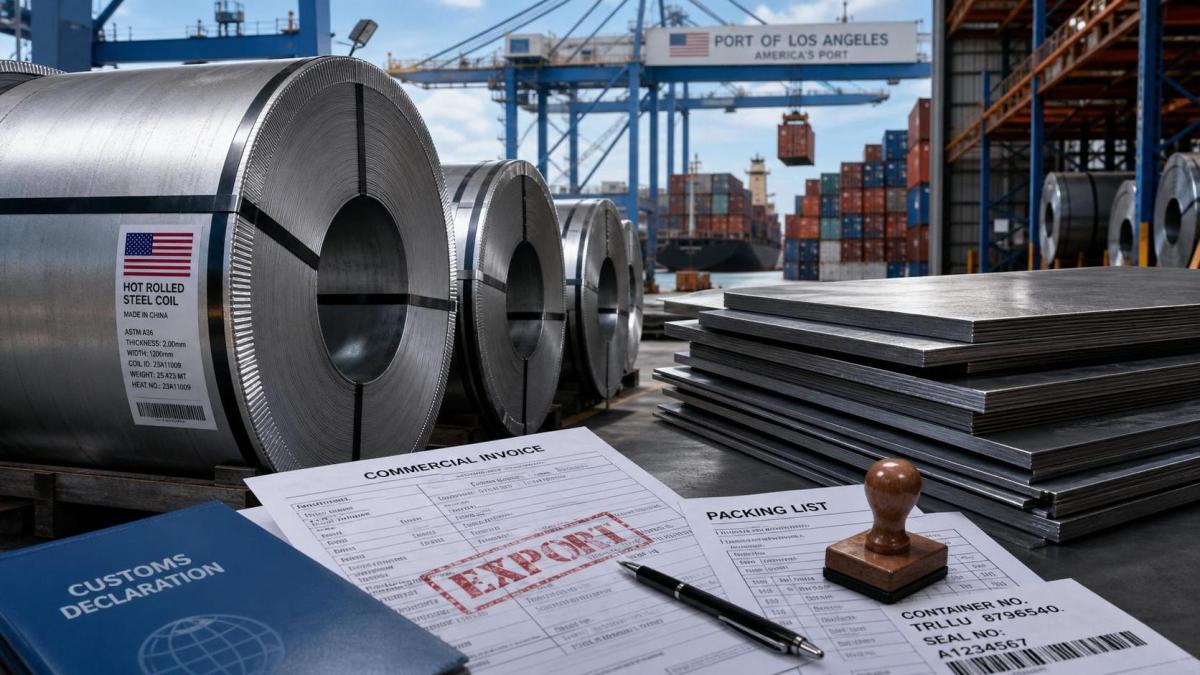
What the July 5 notice confirms
The confirmed facts are limited but commercially significant. According to the announced action on July 5, 2026, the U.S. Department of Commerce formally initiated the first expedited sunset review of the anti-dumping duty order covering hot-rolled coil originating in China. The review concerns anti-dumping duty rates established in 2021, ranging from 127.3% to 229.8%. The notice states that the outcome of this review will directly affect customs clearance compliance and the cost structure of HRC exports to the United States over the next five years.
Where the pressure points may appear first
Export transactions tied to the U.S. market
From an industry perspective, direct trading companies may feel the impact first because the review is closely linked to whether U.S.-bound HRC business remains commercially workable under the existing duty structure. The main pressure points are likely to be quotation validity, landed-cost calculations, and shipment planning. What deserves closer attention is whether counterparties begin to adjust deal timing or documentation requirements before the review result is known.
North American stockholding and channel decisions
Observably, distributors in North America have reason to monitor this review closely because inventory strategy depends on both compliance certainty and replacement cost expectations. The impact may be reflected in stock coverage decisions, order pacing, and the willingness to carry material exposed to changing duty-related assumptions. In practical terms, the review raises questions about how aggressively distributors should position inventory against future supply and cost risk.
Contract pricing and procurement coordination
For procurement teams and contract managers, the issue is not only headline duty rates but also how pricing mechanisms account for regulatory uncertainty. Analysis shows that contracts linked to U.S. delivery may require closer review of price adjustment clauses, validity periods, and allocation of compliance-related responsibilities. This matters where HRC procurement feeds into downstream processing or resale commitments that depend on predictable import costs.
Importer-side certification alignment
The input information specifically highlights importer coordination around CE/UL-related certification arrangements. From a business operations perspective, that suggests importers and service providers may need to pay closer attention to how compliance workflows, shipment documentation, and customer acceptance requirements are synchronized. The review itself does not establish a new certification rule in the provided facts, but it does increase the operational importance of alignment between trade compliance and product-related documentation processes.
What companies should monitor now
Watch for further official wording
Analysis shows that companies should distinguish between the initiation of the review and the final outcome. The current development confirms that the review has started; it does not by itself resolve the future treatment of the order. That makes subsequent official wording especially important for commercial planning and internal risk assessment.
Recheck contract and quotation structures
Businesses with U.S.-linked HRC exposure should closely examine how current quotations and contracts handle duty-related uncertainty. What deserves closer attention is whether pricing formulas, validity windows, and delivery terms are still appropriate under a review process that may affect medium-term cost assumptions.
Prepare documents and coordination paths early
For importers, distributors, and supply chain service providers, the practical issue is readiness. Observably, customs-related files, supplier records, shipment documents, and customer-facing compliance communications may all require tighter coordination if the review affects clearance expectations or trading terms. Early preparation reduces friction even before any final determination is known.
Separate policy signals from immediate operating changes
It is more appropriate to understand this development as a regulatory process with commercial implications, rather than as an immediate change to every operating condition. Companies should therefore avoid treating the initiation itself as a completed market outcome, while still recognizing that counterparties may react ahead of any final review result.
Why this is a signal, not yet a conclusion
Analysis shows that this news is best read as a consequential policy signal for the HRC trade serving the U.S. market. It already matters because it affects planning assumptions around compliance, cost, and transaction structure. At the same time, it is still a process stage rather than a confirmed end state. That is why the development deserves continued industry attention: it has direct operational relevance now, but its full commercial meaning depends on what follows in the review.
How the market may need to frame this development
At this stage, the most balanced reading is that the review introduces a period of higher decision sensitivity for HRC business connected to the United States. The significance lies less in a new factual outcome already delivered and more in the way the review can shape customs compliance expectations, pricing discipline, and supply chain coordination over a longer horizon. It is more appropriate to understand this as an important ongoing trade-policy development that requires continued monitoring, rather than as a settled market conclusion.
Basis of this article and follow-up checks
This article is based on the user-provided news title, event date, and event summary concerning the July 5, 2026 action by the U.S. Department of Commerce on the anti-dumping sunset review involving Chinese hot-rolled coil. For this type of industry update, commonly relevant source categories may include official government notices, company disclosures, industry association information, authoritative media reporting, and documents from standards-related organizations. A specific official source link was not provided in the input, so further verification remains necessary. The main follow-up areas to watch are subsequent official statements, any clarification affecting customs compliance practice, and how market participants adjust inventory, pricing, and certification-related coordination in response.
By clicking 'Allow All', you agree to the storage of cookies on your device to enhance site navigation, analyze site usage and assist with our marketing efforts.