


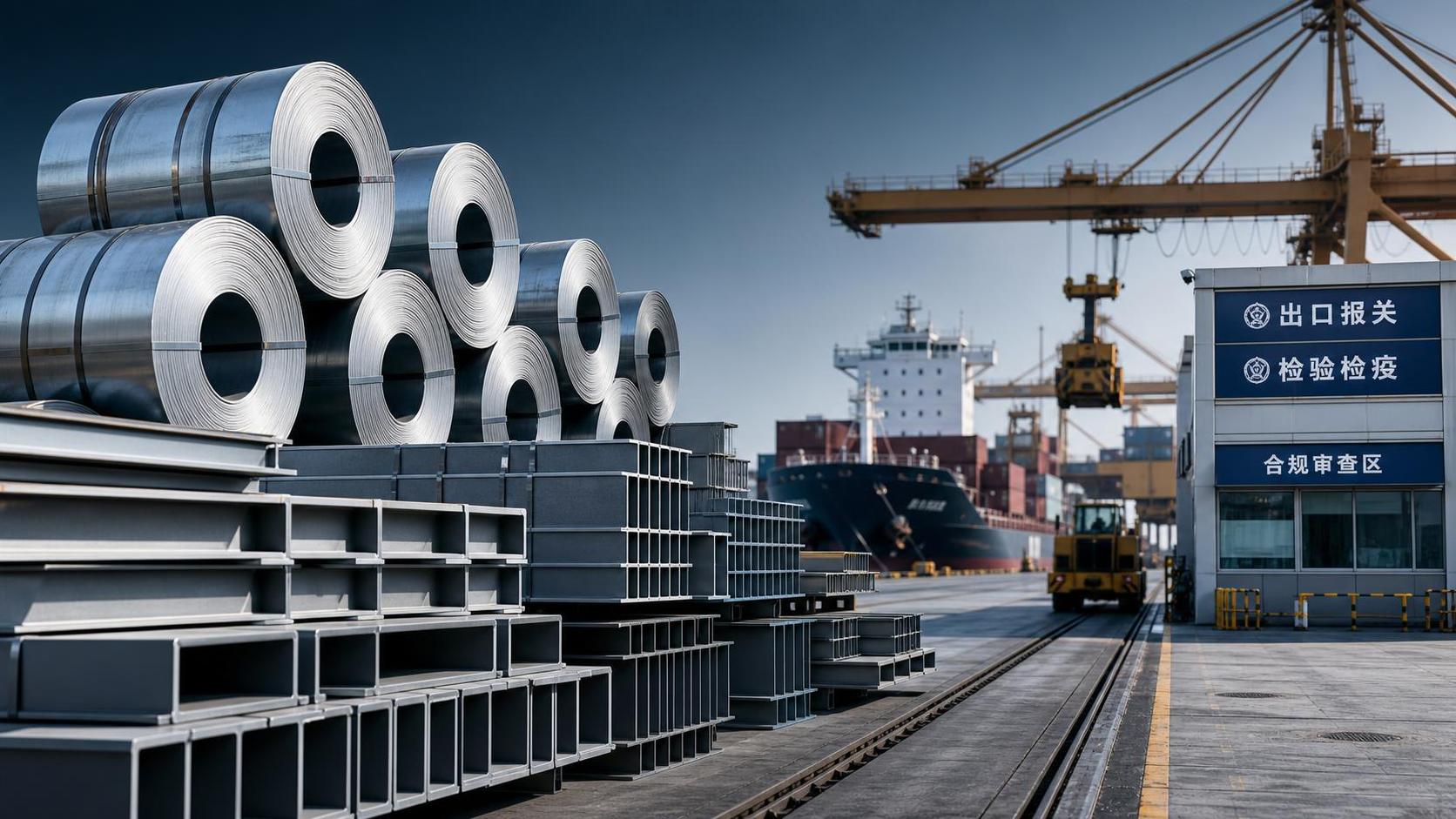
On July 31, 2026, the U.S. Department of Commerce opened an anti-circumvention investigation involving certain hot-rolled steel products exported from China to the United States. The case matters beyond a single filing because it focuses on whether limited processing in third countries changes the customs and trade treatment of steel later declared as structural sections. For Chinese manufacturers exporting H-beams, angles, channels and related products, as well as overseas distributors handling U.S.-bound shipments, the immediate point of attention is not only tariff exposure but also customs compliance review, document consistency and delivery timing.
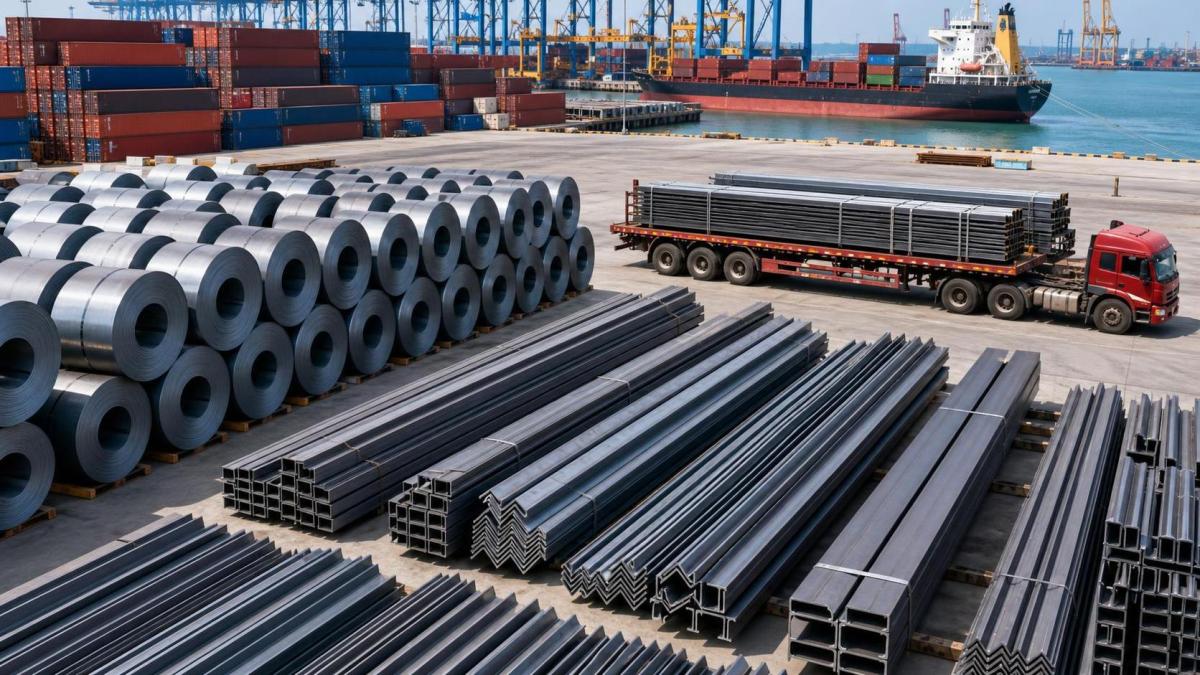
What the investigation formally covers
According to the information provided, the investigation was formally initiated on July 31, 2026 by the U.S. Department of Commerce. It concerns certain hot-rolled steel coil products exported from China to the U.S. market and examines whether those products may have been subject to simple processing in third countries, including Vietnam, Thailand and Mexico, in order to avoid anti-dumping and countervailing duties.
The described processing scope includes limited operations such as cutting, straightening and coating. The products under attention are steel goods that, after such processing, are declared for customs purposes under the name of structural sections. The information provided also indicates that the action directly affects the customs compliance and delivery cycle of Chinese manufacturers and overseas distributors supplying H-beams, angle steel, channel steel and similar sections to the United States.
Where the pressure is likely to appear in the supply chain
For exporters shipping to the U.S. market
From an industry perspective, exporters are likely to face closer scrutiny around product description, processing history and declaration logic. The practical impact may appear in customs clearance preparation, internal classification review and coordination with customers on how goods are described in trade and shipping documents. What deserves closer attention is whether the declared product form, the production route and the processing steps remain consistent across contracts, invoices and shipping records.
For processors and traders using third-country routes
Analysis shows that businesses relying on limited processing in third countries may face higher compliance sensitivity because the investigation specifically points to cutting, straightening and coating carried out before shipment to the United States. In operational terms, this can affect handover between mills, processors, traders and local distributors. The key issue is not the existence of cross-border processing by itself, but whether the processing is viewed as too limited to alter the trade treatment of the goods.
For overseas distributors and channel partners
Observably, distributors serving U.S. buyers may encounter added uncertainty in clearance timing and transaction planning. Their exposure is concentrated in import documentation, product naming, supplier declarations and shipment scheduling. For channel businesses, the risk is that a compliance review at the border can disrupt delivery commitments even before any final rule interpretation becomes clear.
For buyers and supply-chain service providers
Buyers, freight coordinators and customs-related service providers should also pay attention to this development because procurement timing, shipment planning and document review may all tighten. Where supply agreements depend on U.S.-bound steel sections, even a procedural investigation can become relevant to lead times, shipment sequencing and supplier qualification checks.
What companies should watch now
Review how product form and processing steps are documented
Analysis shows that companies involved in affected steel categories should revisit whether commercial documents, shipping records and internal technical descriptions clearly reflect the actual product form and the processing steps carried out before U.S. entry. This is especially relevant where goods are processed in a third country and then declared as structural sections.
Track official wording and enforcement interpretation
The information provided confirms the start of an investigation, but it does not provide final enforcement outcomes or detailed implementation standards. It is more appropriate to understand this as a live rule-development signal rather than a concluded compliance result. Companies should therefore monitor subsequent official wording, customs interpretation and any clarification affecting covered product descriptions or processing thresholds.
Recheck delivery schedules and contract assumptions
Observably, businesses with active or near-term U.S.-bound orders should examine whether delivery commitments assume smooth customs clearance under current declarations. If transaction structures involve multiple countries, firms may need to reassess timeline buffers, handoff responsibilities and document readiness in case review periods lengthen.
Pay closer attention to traceability in customer-facing files
From an industry perspective, customer files may need stronger traceability around origin, processing sequence and product identity. That does not mean new formal requirements have already been announced in the provided information, but it does mean the quality and consistency of supporting records may become more important during review or inquiry.
Why this looks more like an enforcement signal than a settled outcome
Analysis shows that this development is best read as an enforcement-focused signal tied to trade rule application, not as a final market conclusion. The fact pattern provided points to attention on limited third-country processing and customs declaration treatment, which suggests that authorities are examining how product transformation is being presented in practice. At the same time, the available information does not establish a final determination, a completed rule revision or a confirmed tariff outcome for all affected shipments.
What deserves closer attention is how the investigation may influence day-to-day execution before any ultimate conclusion is reached. In many cases, the first visible effect of such action is procedural: more careful review of documents, longer communication chains between exporters and import-side partners, and greater caution in procurement and delivery planning.
How the market should read this stage
At this stage, the event is more appropriately understood as a concrete compliance development with immediate operational relevance, but with important details still requiring observation. The significance lies in the message it sends to exporters, processors and distributors handling U.S.-bound steel sections: limited processing and customs presentation may receive closer examination when trade remedies are involved. A measured reading is warranted because the confirmed information shows an opened investigation and likely pressure on clearance and delivery, while the final enforcement path remains to be seen.
Basis of this article and what still needs verification
This article is based on the user-provided news title, event date and event summary. For developments of this kind, commonly relevant source types include official notices, releases from regulatory authorities, customs or trade administration information, industry association updates, standard-setting documents and reporting by authoritative media. No specific official source link was provided in the input, so the exact official reference still needs to be verified on an ongoing basis.
Observably, the areas that still require continued tracking include any later official clarification, enforcement interpretation, changes in buyer documentation requirements, shifts in tender or procurement wording, industry feedback and how affected companies adjust execution in practice.
By clicking 'Allow All', you agree to the storage of cookies on your device to enhance site navigation, analyze site usage and assist with our marketing efforts.