



On August 7, 2026, the European Commission issued updated transition-period operating guidance for CBAM in the steel category, setting a clearer compliance signal for importers of products such as hot-rolled coil, sections, and galvanized steel sheet. The change matters because it shifts carbon reporting for covered steel imports from a preparatory topic to a defined operational requirement starting in October 2026, while also recognizing Chinese third-party verification bodies for the first time. For importers, exporters, procurement teams, supply chain service providers, and verification-related businesses, the practical impact is likely to appear in customs compliance workflows, carbon data preparation timing, and cost allocation in purchasing decisions.
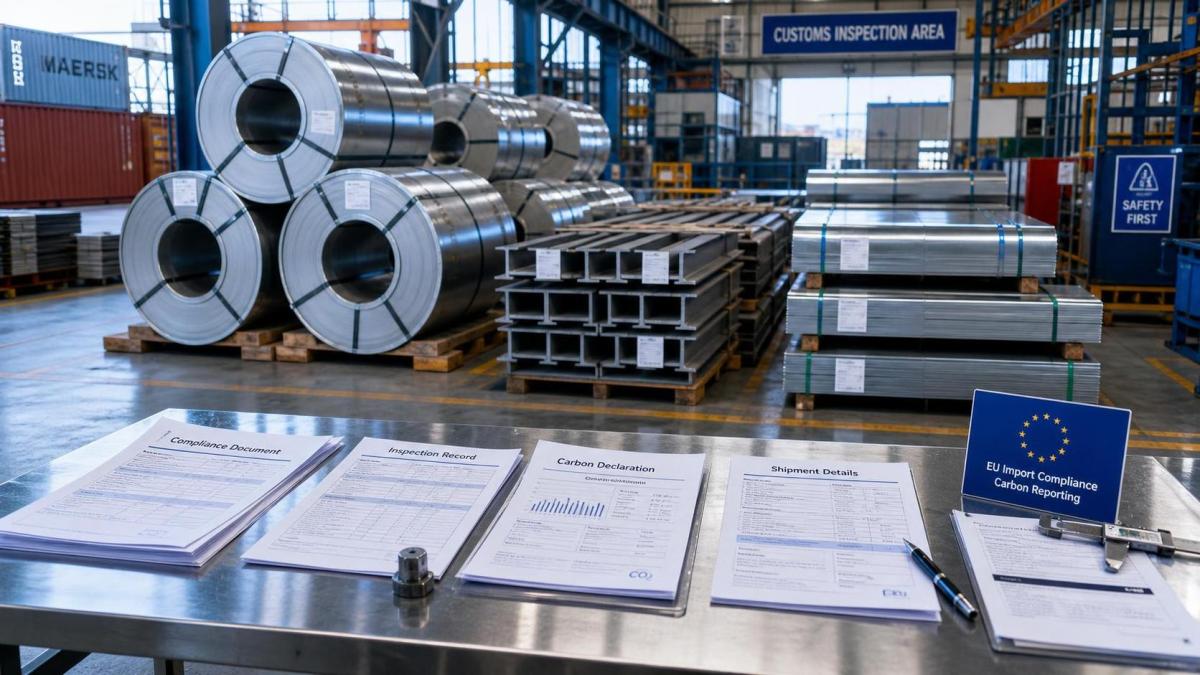
What the New Guidance Confirms
The confirmed facts are limited but commercially significant. The European Commission released updated operating guidance for the CBAM transition period covering steel products on August 7, 2026. According to the provided summary, mandatory data reporting will begin from October 2026 for imported steel products including hot-rolled coil, sections, and galvanized steel sheet. The guidance also places Chinese third-party verification institutions on the recognized list for the first time. The reported direct effects relate to customs clearance compliance procedures for overseas importers, the preparation cycle for carbon-related data, and the cost structure tied to procurement.
Where the Operational Pressure Is Likely to Appear
Import-side compliance is becoming more document-driven
From an industry perspective, overseas importers are the first group likely to feel the change because the guidance is tied directly to mandatory data submission and customs-related compliance handling. The practical pressure point is not only whether steel products are covered, but whether the required carbon information can be assembled in time and in a form that supports import procedures. What deserves closer attention is the coordination between customs filing, supplier data collection, and internal compliance review.
Export-facing suppliers may face earlier data requests
Suppliers serving buyers in the EU market may see compliance expectations move earlier in the sales and delivery process. Analysis shows that once reporting becomes mandatory for specific steel categories, customers are more likely to request carbon-related documentation, verification support, or supporting technical records before shipment or contracting. The effect may be especially visible in order confirmation, documentation exchange, and delivery preparation.
Procurement teams may need to reassess cost comparisons
For procurement functions, the reported effect on purchasing cost structure deserves attention. Observably, when carbon reporting becomes a required input rather than a voluntary disclosure topic, buyers may need to compare suppliers not only on price and delivery terms, but also on the availability and credibility of emissions-related data. This does not by itself confirm a uniform cost outcome, but it does suggest that compliance readiness may become part of purchasing evaluation.
Verification and service providers gain a more defined role
The inclusion of Chinese third-party verification bodies in the recognized list is relevant for businesses involved in verification, testing support, and compliance services. Analysis shows that this may reduce one procedural barrier for companies seeking recognized verification pathways, but the market still needs to watch how recognition is applied in practice, how documentation is reviewed, and how import-side users integrate those verification outputs into their filing processes.
What Companies Should Watch Before October
Check whether covered product lines are exposed
Companies involved in hot-rolled coil, sections, galvanized steel sheet, or related trading chains should first determine whether existing shipments, contracts, or future procurement plans may fall into the reporting scope described in the guidance. The immediate issue is not broad policy interpretation, but whether specific product flows will require additional carbon data preparation before import procedures are completed.
Review the readiness of supporting documents
What deserves closer attention is the completeness of supporting materials tied to carbon reporting. Based on the provided information, businesses should pay attention to how technical documents, compliance files, and verification-related records are organized for submission or customer review. Because the input does not provide detailed filing standards, this should be treated as a preparation priority rather than an already settled execution framework.
Recheck supplier and verifier coordination
With Chinese third-party verification institutions now recognized in the guidance, companies may need to revisit how suppliers, verifiers, and import-side compliance teams coordinate. Analysis shows that the key issue is less about formal recognition alone and more about whether the chosen verification path can support transaction timelines, document consistency, and acceptance during customs-related compliance review.
Watch for changes in contracts and delivery planning
Observably, the reported effect on carbon data preparation cycles and procurement cost structure means commercial teams should monitor whether customers begin adjusting order terms, documentation requirements, or delivery scheduling. At this stage, it is more appropriate to understand this as a signal to review transaction execution details rather than proof of a uniform market response.
Why This Looks Like an Execution Signal
Analysis shows that this update is more than a general policy reminder because it introduces a defined start point for mandatory reporting in named steel product categories and links the change to real import compliance procedures. At the same time, it would be premature to treat the market impact as fully settled, since the provided information does not specify all operational criteria, review practices, or downstream contractual adjustments. It is more appropriate to understand this as a concrete execution signal within the transition period, with further observation still required on filing practice, verification acceptance, and market feedback.
How the Market Should Read This Update
In practical terms, this development indicates that CBAM-related compliance for steel imports is moving closer to day-to-day execution in trade, procurement, and document management. The most balanced reading is that the rule change already matters for workflow preparation, especially where covered steel imports and customer-facing documentation are involved, but the full business effect still depends on how reporting expectations are applied in transactions and compliance review. For now, the update is best understood as a confirmed operational change with follow-on implications that the market still needs to track carefully.
Basis of This Article and What Still Needs Verification
This article is generated from the user-provided news title, event date, and event summary. For developments of this type, source categories commonly relevant include official announcements, releases from regulatory authorities, customs or trade administration information, industry association updates, standard-setting documents, and reporting by established business media. A specific official source link was not provided in the input, so the underlying official publication path still needs to be verified on an ongoing basis. Further monitoring is also needed for detailed policy wording, verification practice, filing interpretation, tender document changes, industry feedback, and how companies implement the requirement in actual trade operations.
By clicking 'Allow All', you agree to the storage of cookies on your device to enhance site navigation, analyze site usage and assist with our marketing efforts.