


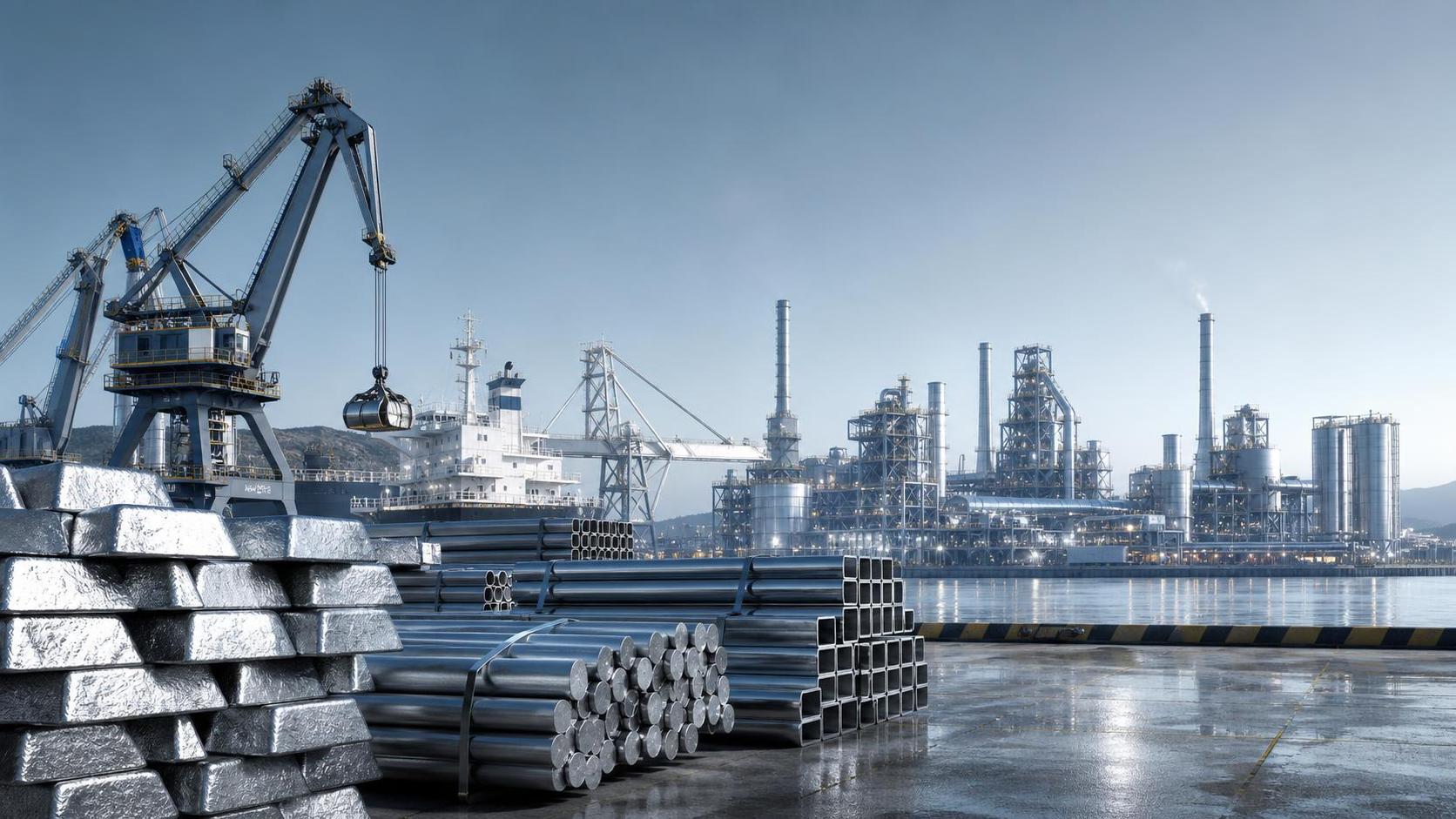
A 7.7-magnitude earthquake struck Indonesia's Flores Island on August 15, 2026, briefly raising concerns over possible disruption to nickel ore exports and the nickel-to-stainless steel supply chain. Based on the information provided for this report, the latest market assessment indicates that the epicenter was far from major nickel-producing areas such as Morowali and Pomalaa, and that ports, smelters, and logistics hubs were not materially affected.
That distinction matters for buyers watching Indonesian supply exposure closely. If mining areas, processing facilities, and export nodes remain operational, short-term shipment flows of nickel intermediates and stainless steel raw materials to China, as well as broader global distribution, can continue on a broadly normal basis. For importers and downstream manufacturers, this reduces the immediate risk of disruption-driven purchasing decisions.
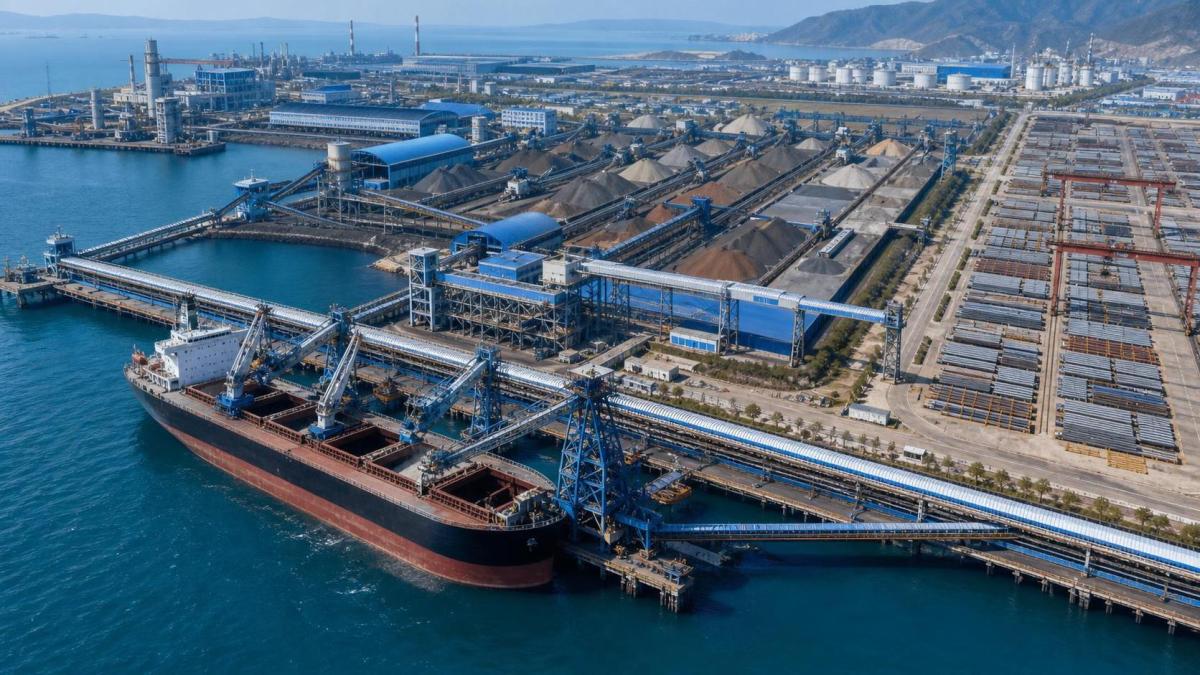
For overseas stainless steel profile producers, alloy procurement teams, and distributors across Europe and Asia, the current signal is one of continuity rather than interruption. The market reaction after a major seismic event often centers first on logistics and export availability, but in this case the available information suggests that physical supply infrastructure has held up. That may allow procurement schedules to remain steady instead of shifting into precautionary restocking.
From an industry perspective, the episode highlights a practical point about supply chain risk assessment: headline event severity does not automatically translate into industrial disruption. What matters more is the geographic relationship between the event and key mining, smelting, and transport assets. In the absence of confirmed damage to those links, buyers may have more reason to focus on verified operating conditions than on initial market anxiety.
At the same time, the situation still warrants follow-up. Market participants may continue to watch for public updates related to port operations, smelter activity, shipping conditions, and any changes in export logistics. Further clarity would typically come from company disclosures, official statements, industry association updates, and other authoritative public reporting connected to the affected region.
This article is based solely on the event information provided above. On the current facts, Indonesian nickel supply to the stainless steel chain appears stable, and raw material importers have reason to maintain their existing purchasing pace unless later information points to a change in operating conditions.
By clicking 'Allow All', you agree to the storage of cookies on your device to enhance site navigation, analyze site usage and assist with our marketing efforts.